Comprehensive Island Discovery12D / 11N
FromLKR 237,000 / person
Sri Lanka Grand Tour
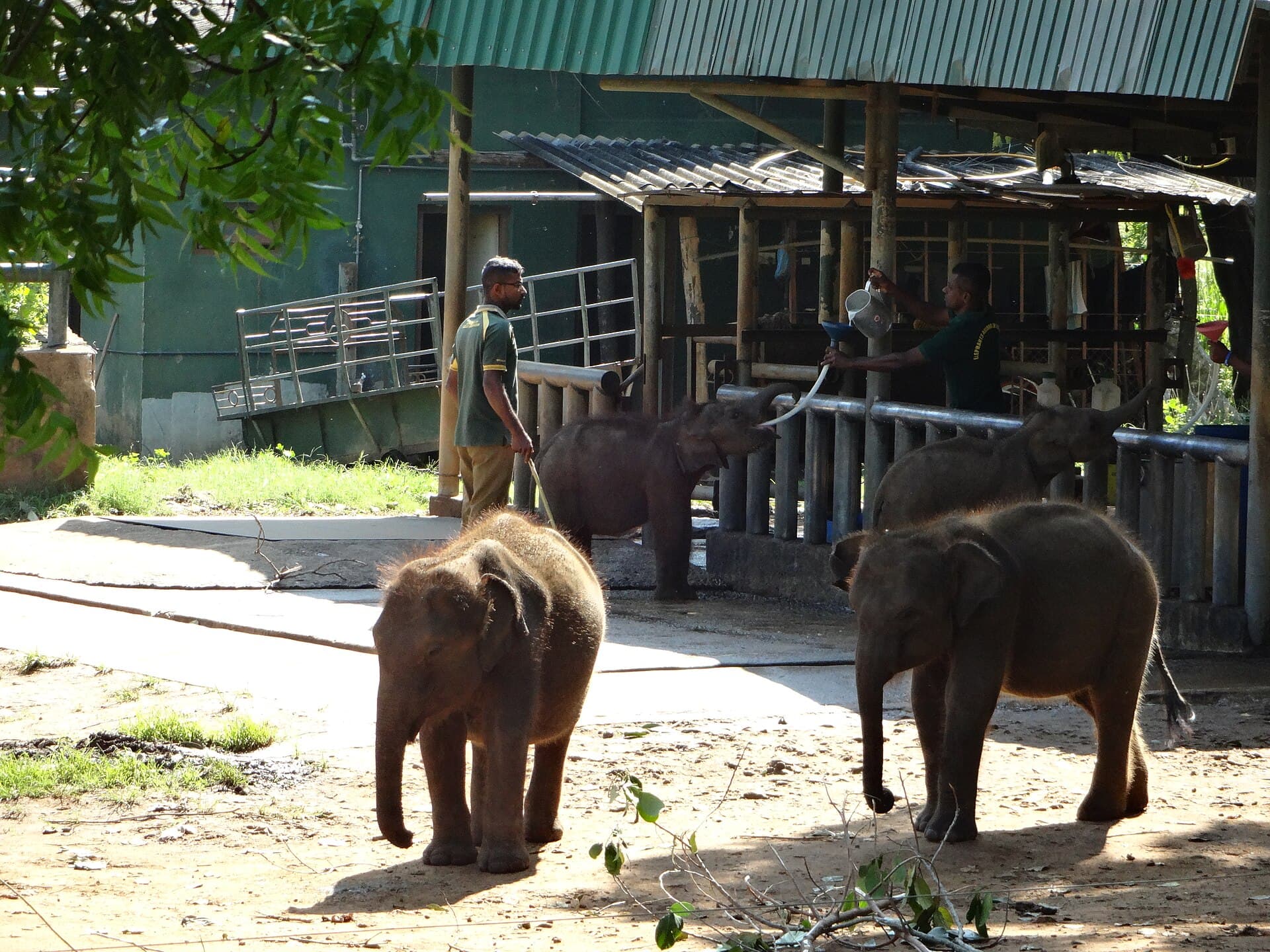
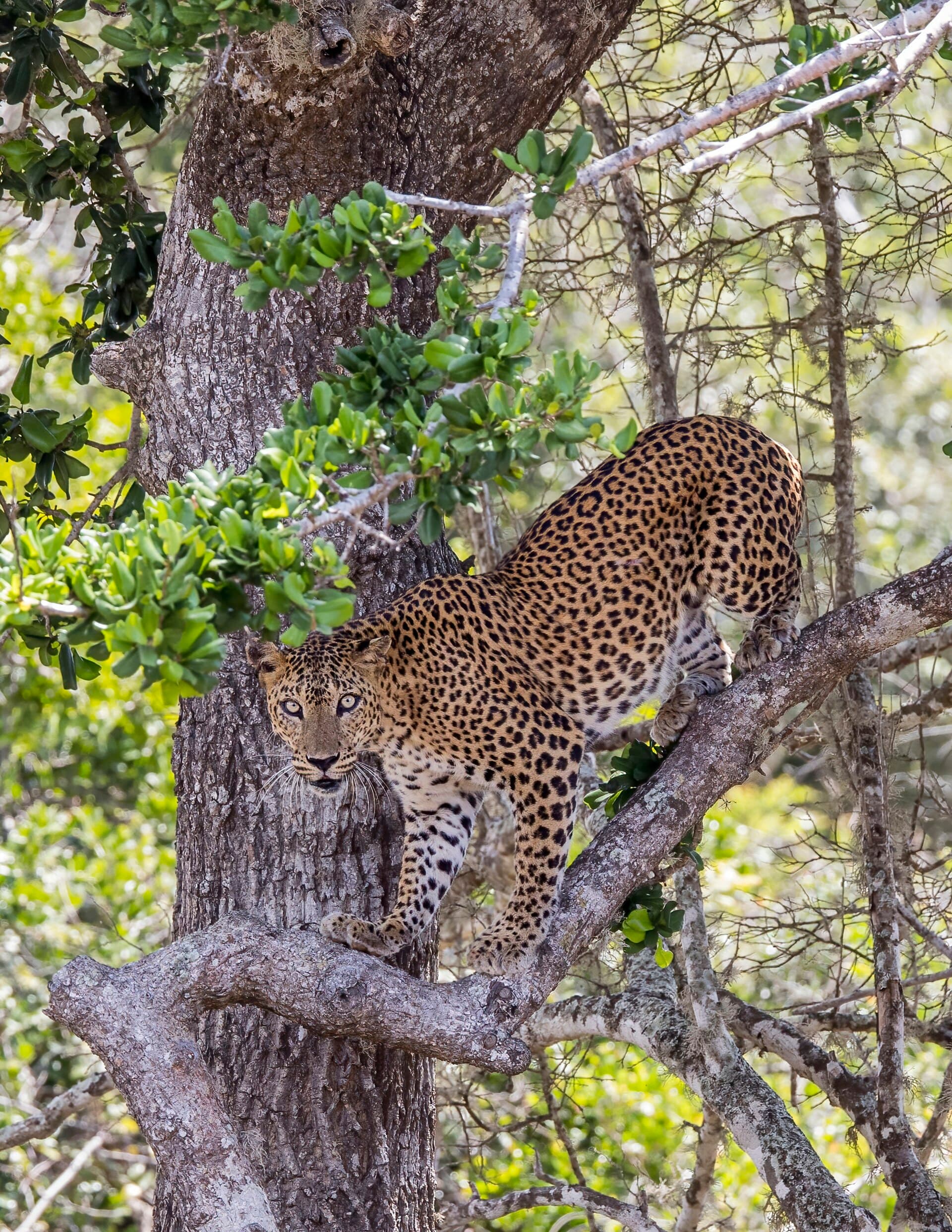
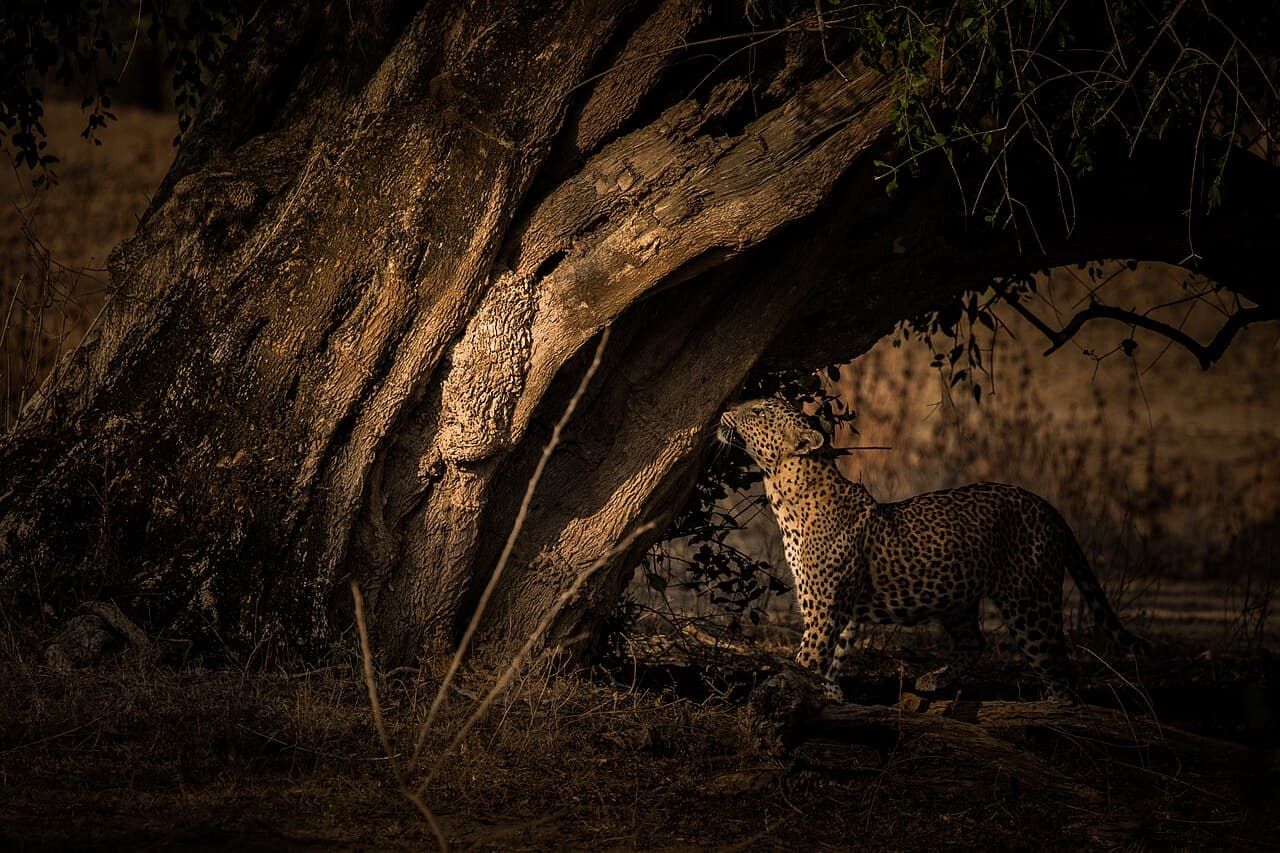
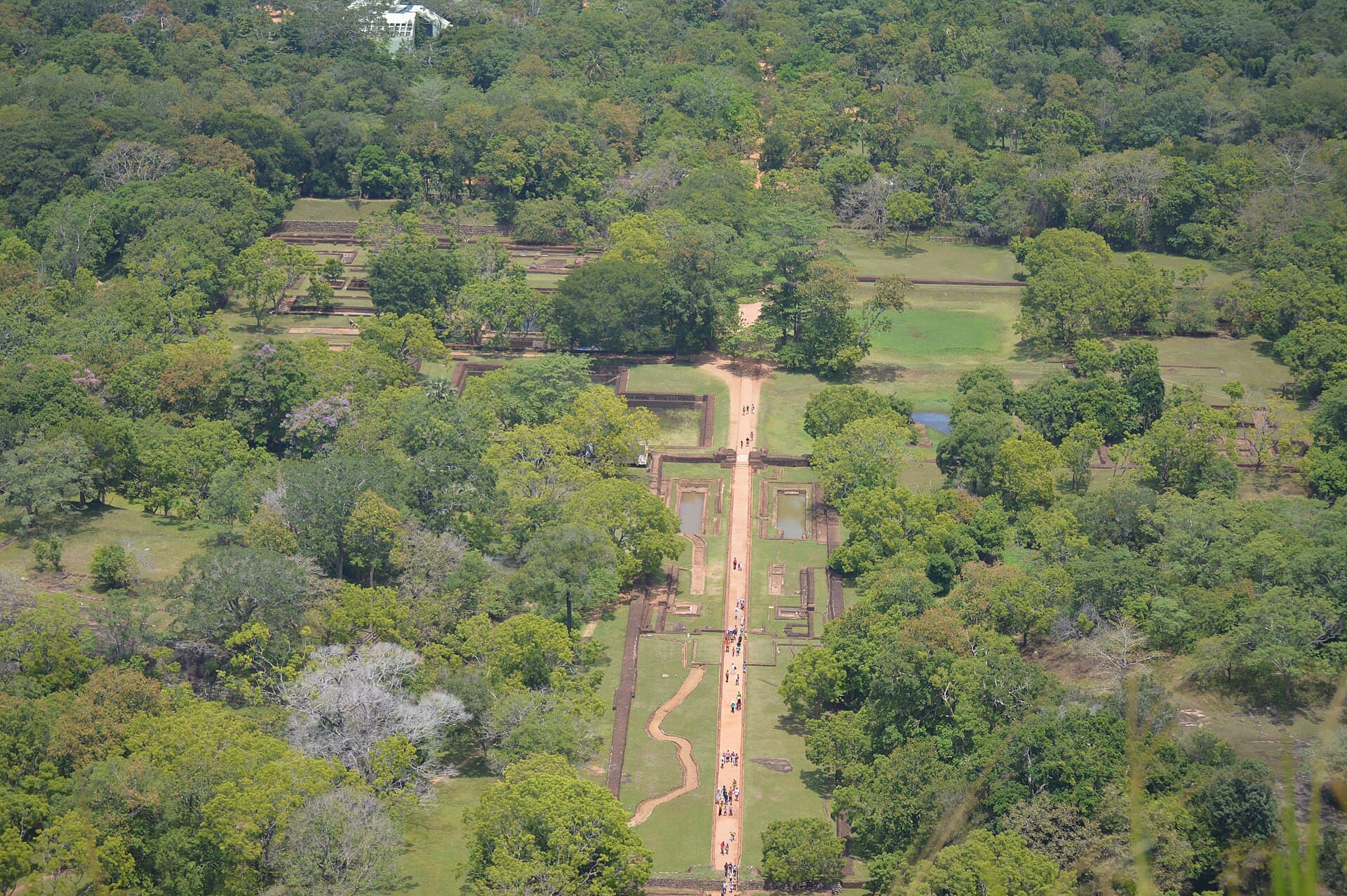
A comprehensive grand tour covering the Cultural Triangle, Hill Country, Southern Coast, and Deep South Wildlife. Includes Sigiriya, Dambulla, Kandy, Ella, Nuwara Eliya, Yala, Galle, and Mirissa. Ideal for first-time visitors who want to see everything in one trip. **Transport**: Private air-conditioned vehicle; 4x4 safari jeeps; boat for whale watching. **Meals**: Breakfast and dinner daily. **Traveler Notes & Instructions**: - This is a fast-paced tour; early starts required. - Pack layers for hill country and beachwear for coast. - Book train tickets (Kandy–Ella) in advance if desired. - Whale watching seasonal (Nov–Apr); confirm at booking. **Estimated Cost**: USD 1295 (approx. LKR 388,500) per person sharing twin/double.
Private ChauffeurBoutique StaysAirport Pickup & Drop
100% CustomizableView Itinerary