THE ISLAND TOURSri Lanka Expeditions
Sri Lanka Experiences and Attractions 1
Iconic Sri Lanka Landmarks

Experiences & Attractions

Immerse yourself in UNESCO sacred citadels, mist-shrouded peaks, wild leopard habitats, and sun-kissed coastlines.

50 Curated Sites
UNESCO Heritage Citadels
Wild Safaris & Corridors
Verified Chauffeur Guides
Showing 50 of 50 experiences
Bahirawakanda Vihara Buddha Statue
Culture & Temples
Kandy

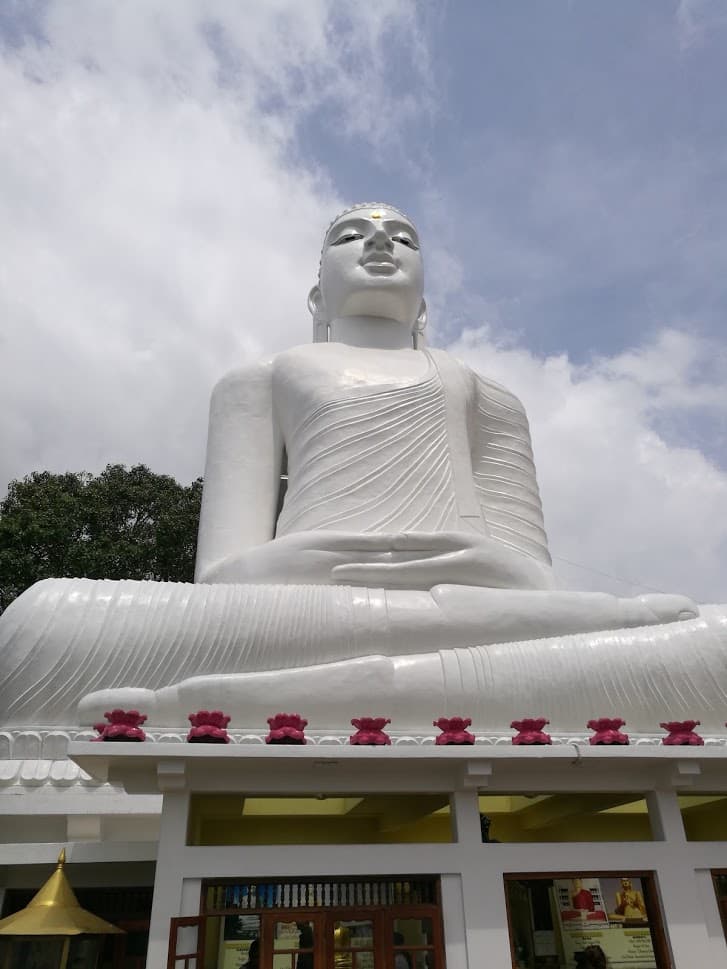
Bahirawakanda Vihara Buddha Statue

Perched on the steep slopes of the Bahirawakanda hill, the Sri Maha Bodhi Vihara is home to one of the most visible landmarks in the city: a towering, 88-foot-tall white Buddha statue. Sculpted in the traditional Dhyana Mudra (the posture of deep meditation), this massive monument was completed in the early 1990s and stands as one of the tallest seated Buddha statues in Sri Lanka. The hill itself, known as Bahirawakanda (Gnome Mountain), has a fascinating history rooted in local folklore. In ancient times, locals believed the hill was inhabited by a powerful earth demon, and legends suggest that human sacrifices were once offered here to appease the spirit and protect the kingdom from bad luck. Today, the giant white Buddha statue has completely transformed the hill into a peaceful place of spiritual sanctuary. The temple can be reached by a short drive up a winding road or via a flight of stairs starting from the city center. Visitors must remove their shoes at the entrance before walking onto the smooth stone viewing terrace at the base of the statue. A set of stairs built behind the Buddha allows travelers to climb up to a viewing platform near the statue's shoulders. From this high vantage point, you can enjoy a bird's-eye view across Kandy, looking down over the lake, the Temple of the Tooth, the crowded marketplace, and the distant, mist-covered peaks of the Knuckles Mountain Range. The site is particularly magical at dusk when the statue is illuminated by soft spotlights and the sound of evening prayers echoes from the valley below.
Explore Experience
Bundala National Park
Wildlife & SafariMust See
Yala & The Deep South Wilds

Bundala National Park

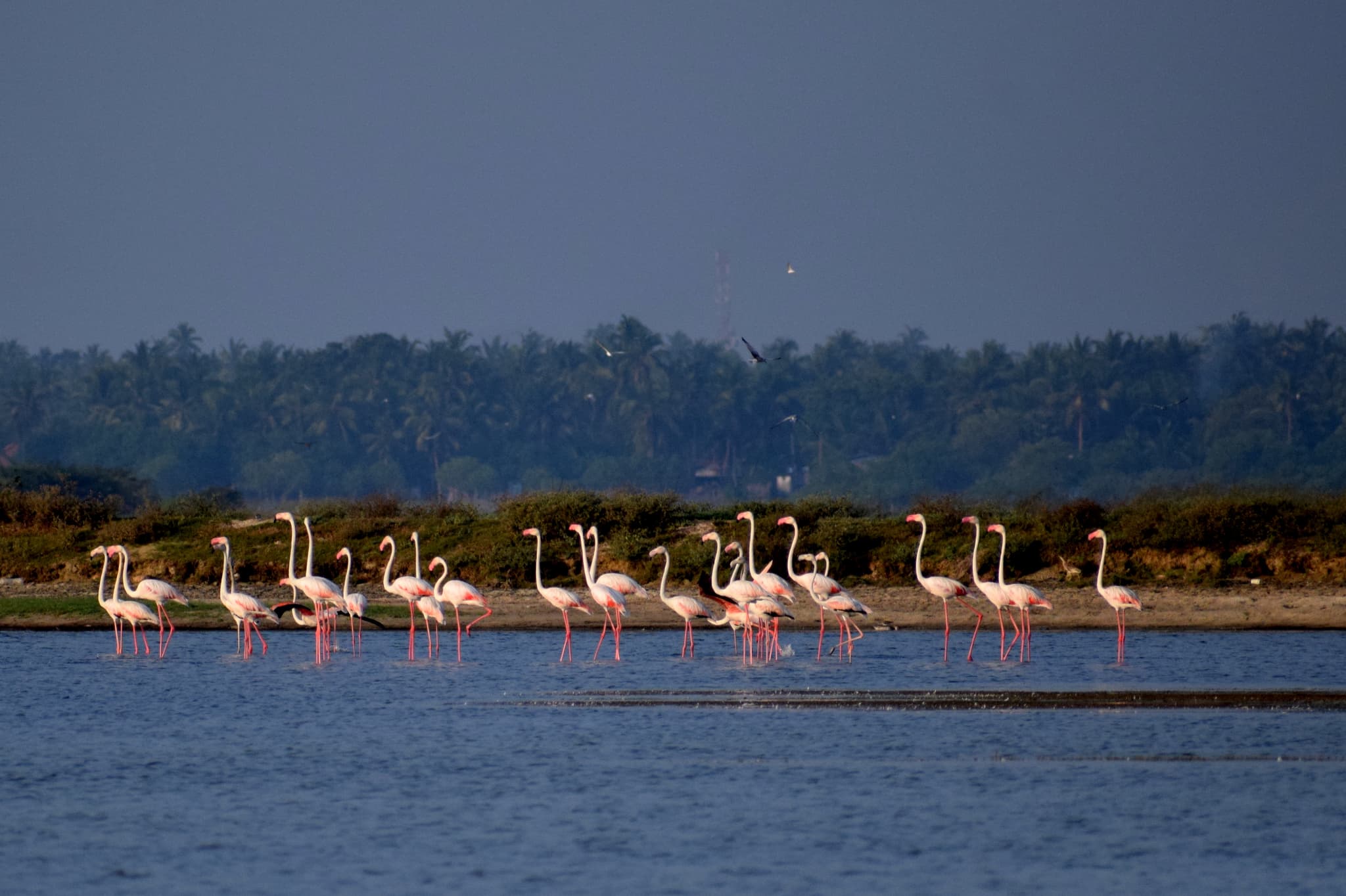
Located just a short drive west of Yala, Bundala National Park offers a completely different, water-dominated wilderness experience. Recognized as the first site in Sri Lanka to be designated under the Ramsar Convention on Wetlands, Bundala is a sprawling network of coastal lagoons, salt pans, marshes, and sand dunes. This unique watery environment makes it an internationally critical sanctuary for both resident and migratory waterbirds, which travel thousands of miles to escape the harsh northern winter. Bundala is a paradise for birdwatchers. The park’s shallow lagoons are home to a remarkable variety of bird species, most notably thousands of greater flamingos, which gather in large, shimmering pink flocks along the water's edge during the peak winter migration months from September to March. As you explore the park in an open jeep, the air is filled with the calls of black-necked storks, Eurasian spoonbills, ibises, and large flocks of pelicans working together to herd fish in the shallows. Bundala is also home to a surprising variety of larger wildlife. The park's coastal scrub supports a healthy population of wild elephants, troops of grey langur monkeys, and massive herds of spotted deer. Bundala’s empty beaches serve as a vital nesting ground for four distinct species of endangered sea turtles, which climb onto the dark sand at night to lay their eggs, making the park a vital haven for coastal conservation.

Explore Experience
Coconut Tree Hill
Nature & ScenicMust See
Mirissa

Coconut Tree Hill

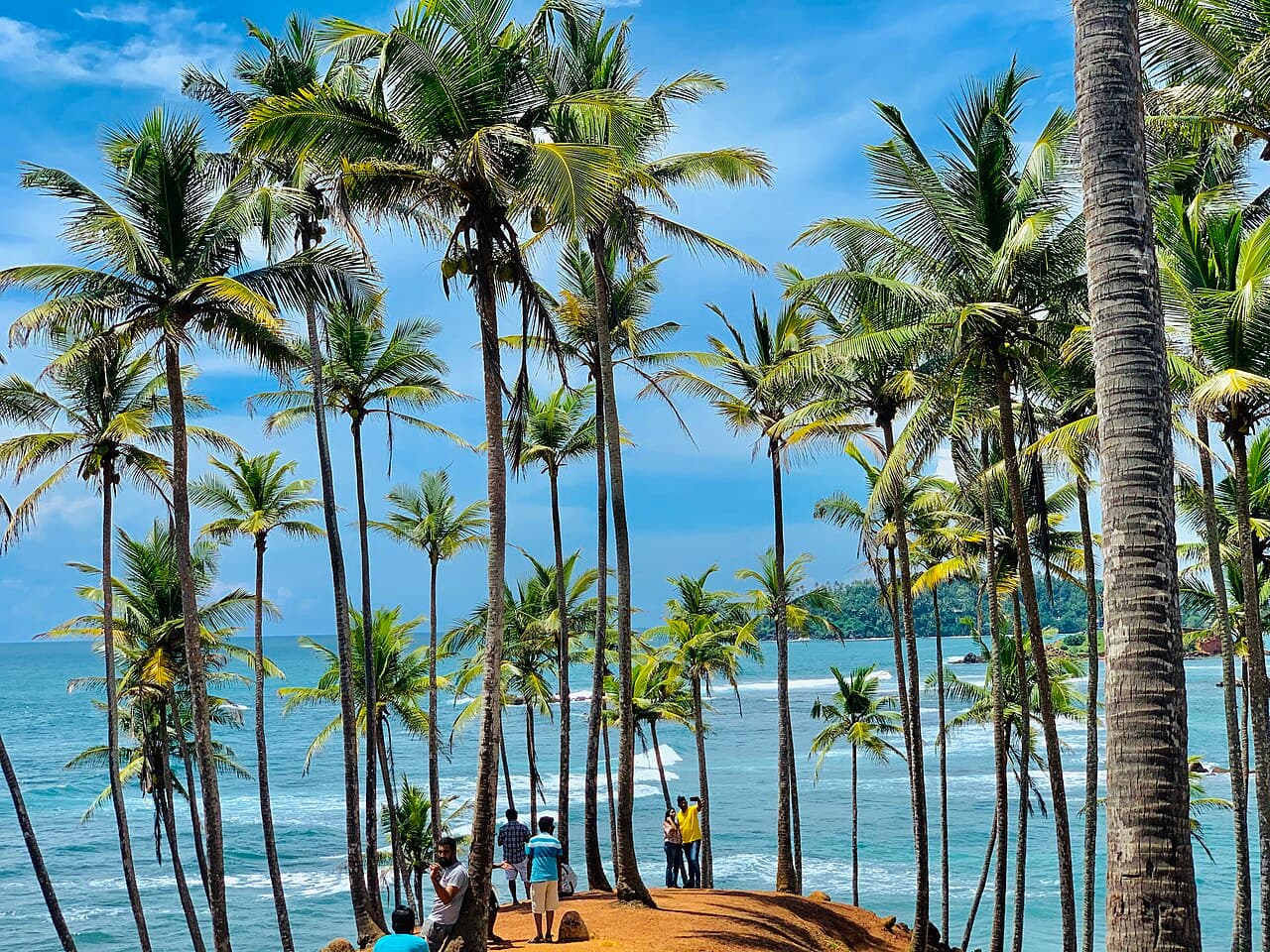
Jutting out dramatically into the Indian Ocean on the eastern edge of the bay, Coconut Tree Hill is a unique geological formation that has become one of the most photographed and iconic sights in Sri Lanka. This dome-shaped red clay cliff rises gently above the water, topped by a dense, uniform grove of towering coconut palm trees that lean gracefully out over the sea. The hill can be reached by a short, pleasant walk along the beach from the main bay or via a narrow dirt path from the main road. The red earth of the hill creates a vivid visual contrast against the deep blue of the ocean and the bright green of the palm fronds above. Because the hill is open to the sea on three sides, it provides a panoramic view across the coastline, looking down onto rocky reefs where sea turtles can often be spotted surfacing for air. Coconut Tree Hill has become a popular gathering spot for travelers, especially late in the afternoon when the intense heat breaks. Visitors sit on the red earth between the leaning trunks to watch the sun sink below the horizon, painting the sky in vibrant shades of gold, orange, and purple.

Explore Experience
Dambulla Cave Temple
UNESCO HeritageMust See
Sigiriya & The Cultural Triangle

Dambulla Cave Temple

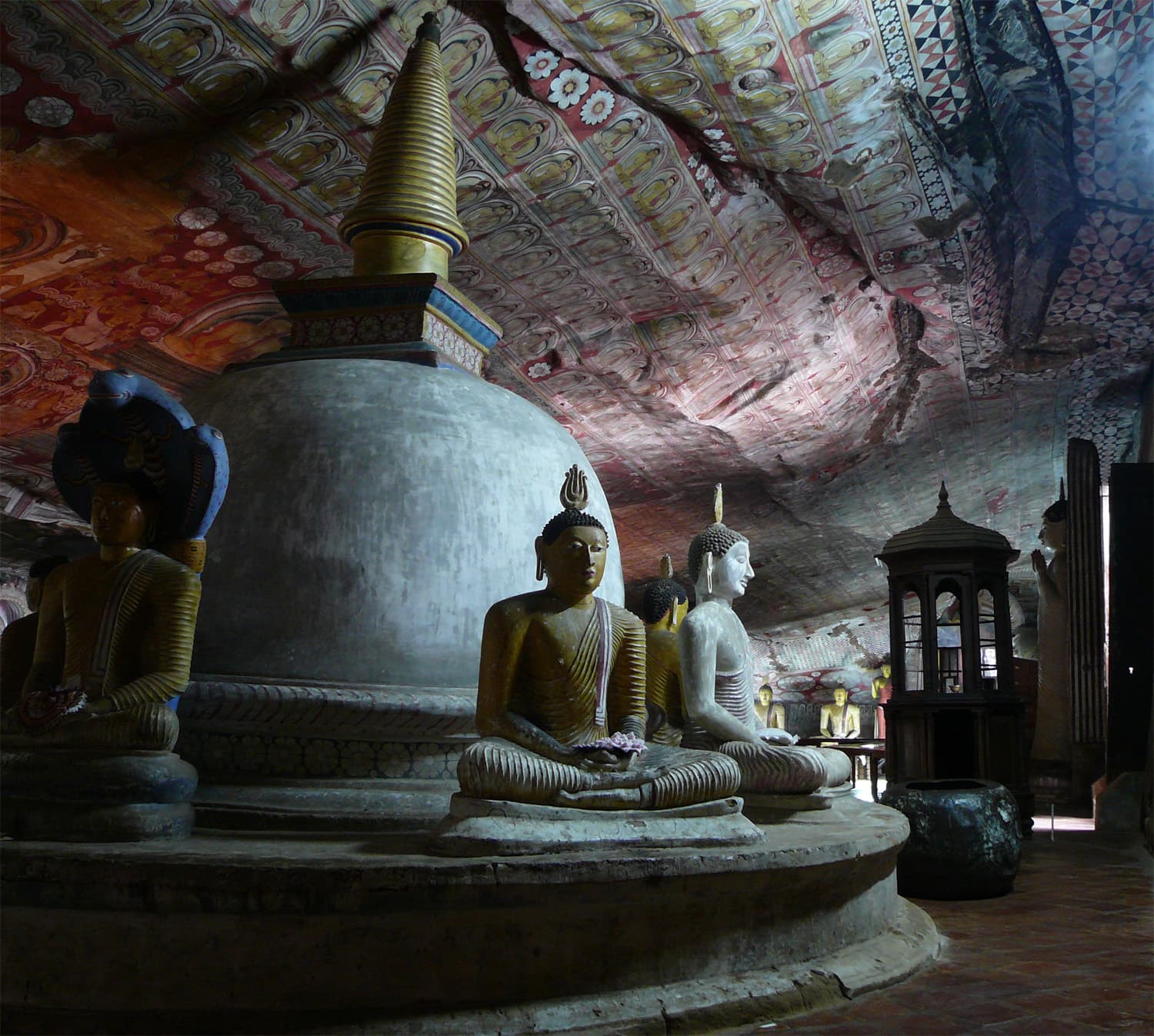
Carved into the base of a massive, 160-meter-high isolated rock dome, the Dambulla Cave Temple (also known as the Golden Temple of Dambulla) stands as the largest and most exceptionally well-preserved rock-cave monastery complex in Sri Lanka. The history of this sacred site dates back to the 1st century BC, when King Valagamba was driven out of Anuradhapura by a South Indian invasion. The king found refuge inside these deep, naturally sheltered caves for fourteen years, protected by the resident Buddhist monks. Upon reclaiming his throne, he transformed the caves into magnificent rock temples as an act of royal gratitude. Succeeding monarchs over the next millennium continued to patronize, expand, and gild the complex. The ascent to the caves follows a gently sloping stone pathway up the smooth flank of the rock, shared with families of gray langur monkeys and local vendors selling fragrant frangipani blossoms. At the top, a whitewashed arcade fronts five distinct caves of varying sizes, each carved under a massive dripping ledge that prevents rainwater from entering the interiors. Stepping inside the dimly lit caves reveals a breathtaking wonderland of ancient art. Every square inch of the undulating rock ceilings and walls is covered in intricate, vibrant murals painted using natural plant dyes and mineral pigments. These masterpieces depict key moments in the life of the Buddha, historic battles, and important events in early Sri Lankan history. The caves collectively shelter 153 Buddha statues, ranging from life-sized seated figures to a monumental 47-foot reclining Buddha carved directly out of the living rock. The second cave, Maharaja Viharaya (Temple of the Great Kings), is the grandest and most spiritually impressive, featuring a natural spring that drips water upward through a fissure in the ceiling into a sacred vessel below. The timeless atmosphere inside the caves, thick with the scent of burning oil lamps and incense, offers a profound connection to over two thousand years of unbroken religious devotion.

Explore Experience
Diyaluma Falls
WaterfallsMust See
Ella

Diyaluma Falls

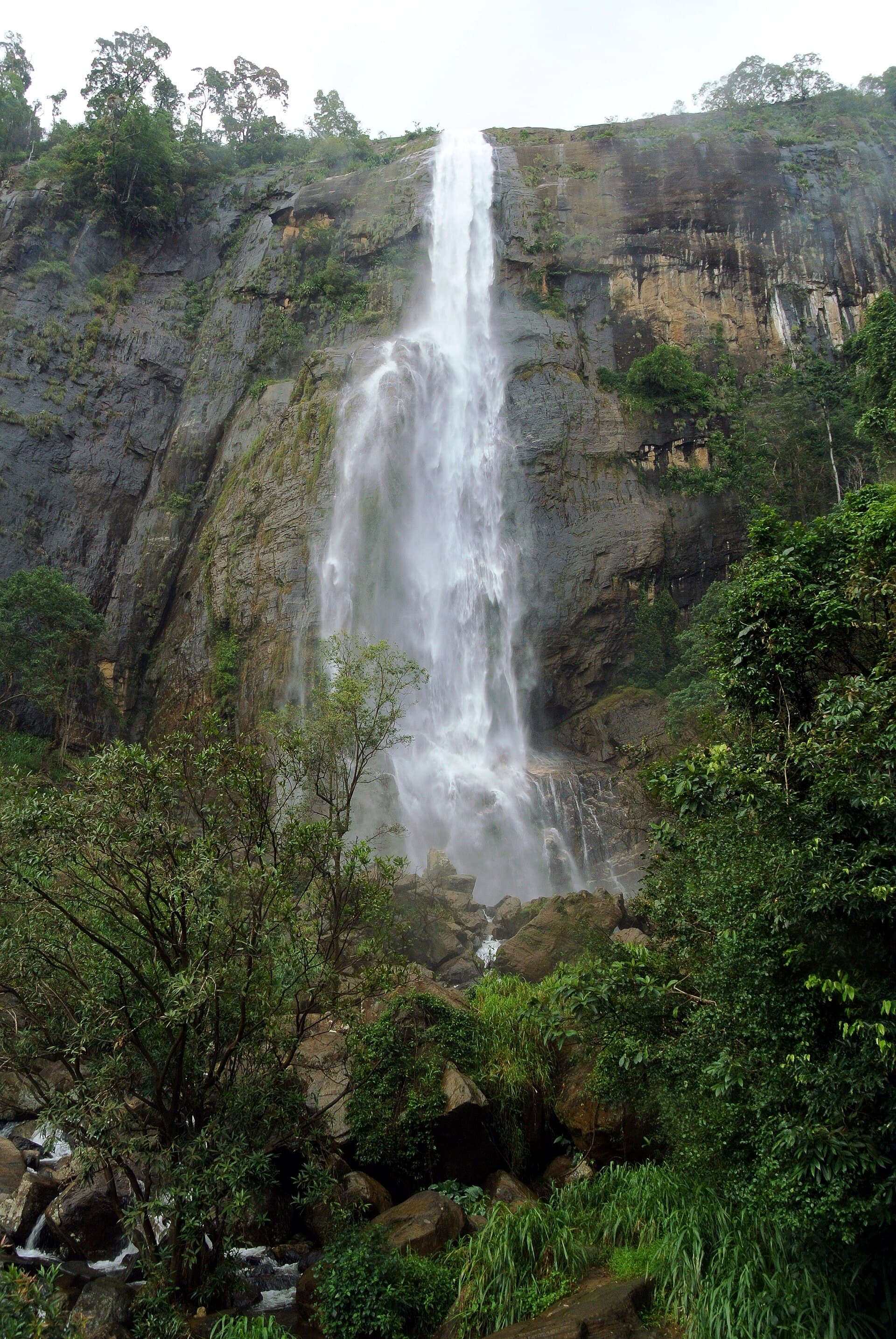
While Ravana Falls is celebrated for its easy roadside accessibility, Diyaluma Falls is adored for its raw adventure, hidden paths, and spectacular high-altitude topography. Rising to a staggering height of 220 meters (722 feet), Diyaluma is the second-highest waterfall in Sri Lanka. It stands as a majestic curtain of water that plunges down a sheer, unbroken cliff face before crashing into the plains below. The true allure of Diyaluma lies not at the roadside viewing bridge at the bottom, but at its remote upper escarpment, accessible via a rugged trek through the rural hillsides of Koslanda. The trail to the top takes hikers through tall Mana grasslands and shaded rubber plantations, eventually emerging onto the smooth bedrock where the river flows toward the drop. Here, the river has carved a spectacular series of natural, crystalline infinity pools directly into the granite riverbed over thousands of years. Exploring the upper falls is an unforgettable experience. Travelers can safely swim in these cool, flowing mountain pools, jumping from smooth rock ledges into deeper basins under the supervision of local guides. The ultimate highlight is the absolute edge of the main fall, where the water glides smoothly over a curved rock lip before dropping 220 meters into the abyss. Standing securely in a calm pool just a few feet away from this massive vertical drop offers a thrilling blend of natural beauty and adrenaline, complete with a sweeping view across the valleys of the deep south.

Explore Experience
Elephant Transit Home Udawalawe
Wildlife & SafariMust See
Yala & The Deep South Wilds

Elephant Transit Home Udawalawe

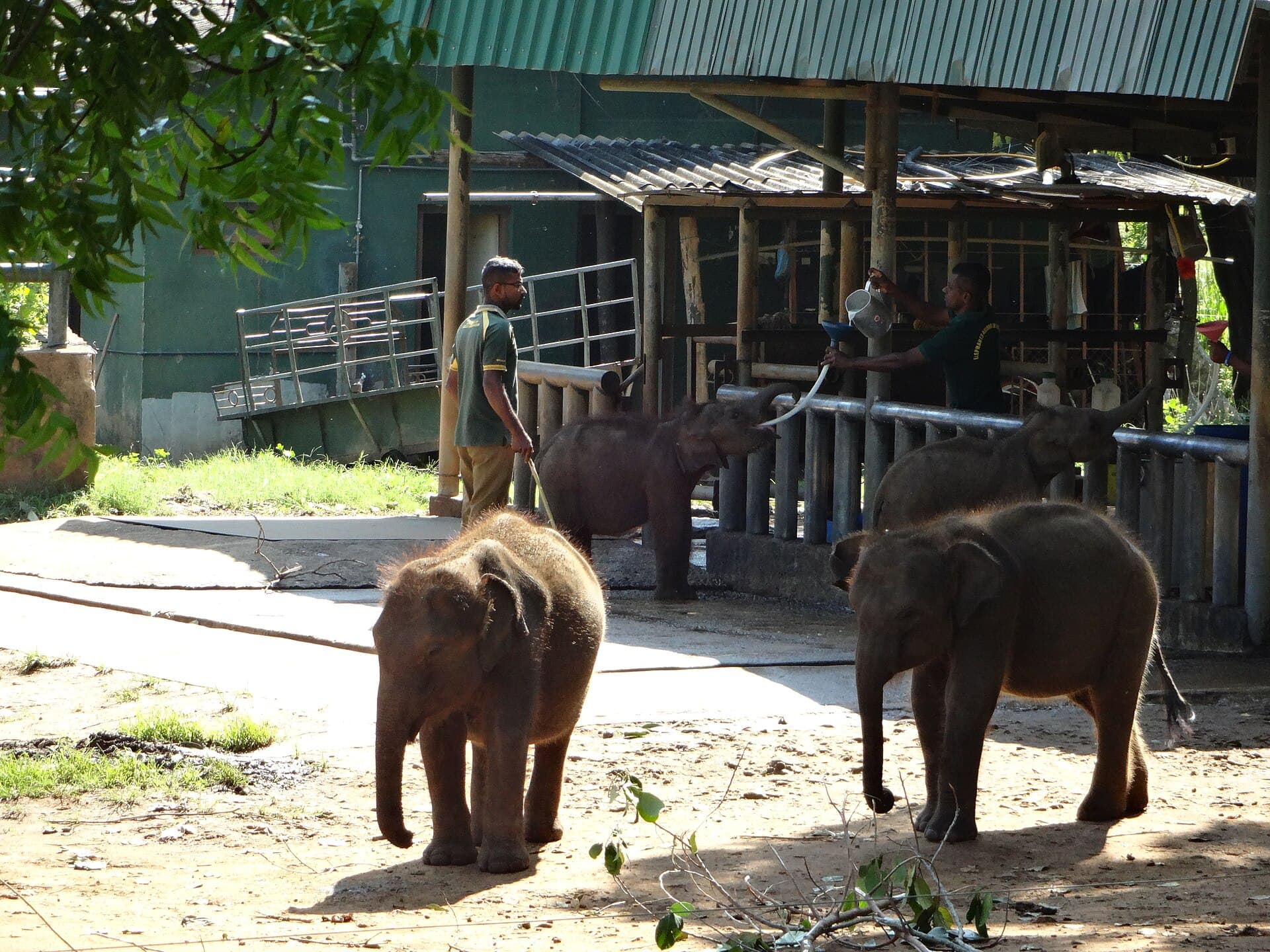
Located on the western edge of the deep south region near Udawalawe National Park, the Elephant Transit Home (ETH) is recognized as one of the most ethical and successful wildlife rehabilitation centers in the world. Established in 1995 by the Department of Wildlife Conservation, the primary mission of the ETH is to rescue orphaned, injured, or sick wild elephant calves from across the island, care for them until they are strong and self-sufficient, and release them back into the wild. Unlike commercial elephant orphanages that allow visitors to touch, ride, or closely interact with the animals, the ETH enforces a strict policy of minimal human contact to ensure the calves do not become habituated to humans, which would prevent a successful return to the wild. Visitors gather on a shaded wooden viewing platform four times a day to watch the calves being fed warm milk through long tubes by dedicated caretakers. The feeding session is a delightful spectacle. As the gates open, dozens of young elephants come running down the dirt path, their ears flapping with excitement as they jostle for position near the feeding stations. Once fed, the calves roam freely across the expansive lakeside grounds, splashing in the mud, playing with massive branches, and interacting naturally in herds. The center has successfully returned over a hundred rehabilitated elephants to the wild, making a visit here a deeply meaningful contribution to the survival of the Asian elephant.

Explore Experience
Ella Rock
Nature & ScenicMust See
Ella

Ella Rock

For those seeking a more rigorous, physically demanding trekking adventure, Ella Rock stands as the ultimate high-altitude challenge in the valley. Looming large over the southern side of the village, this dramatic cliff face offers a strenuous half-day trek that tests your endurance while rewarding you with some of the most expansive views on the island. Unlike the highly structured path up Little Adam's Peak, the route to Ella Rock is wild, unmapped, and highly varied. The trek begins with a unique walk directly along the active railway tracks, starting from the Ella station and heading toward Kithaella. This stretch allows hikers to experience the local lifestyle up close, passing rustic trackside homes, small vegetable patches, and historic steel bridges over gushing streams. After leaving the tracks, the trail drops into a lush valley, crosses a footbridge over the surging waters of the upper Ravana Oya river, and winds through quiet plantations of long-tail lemongrass. Once the true ascent begins, the terrain changes dramatically. The path turns into a steep, rugged dirt trail that weaves up through a dense forest of towering eucalyptus trees, where hikers must navigate an intricate maze of exposed tree roots and slick clay boulders. The final stretch requires an energetic scramble up a steep, rocky incline before emerging suddenly onto a massive, wind-swept granite shelf. Standing at the edge of Ella Rock’s precipice is an unforgettable experience. The cliff face drops vertically into the valley below, offering a bird's- eye view of Little Adam's Peak, the winding mountain pass highway, and the endless expanse of the southern lowlands stretching out beneath your feet.

Explore Experience
Gal Vihara Rock Temple
UNESCO HeritageMust See
Polonnaruwa

Gal Vihara Rock Temple

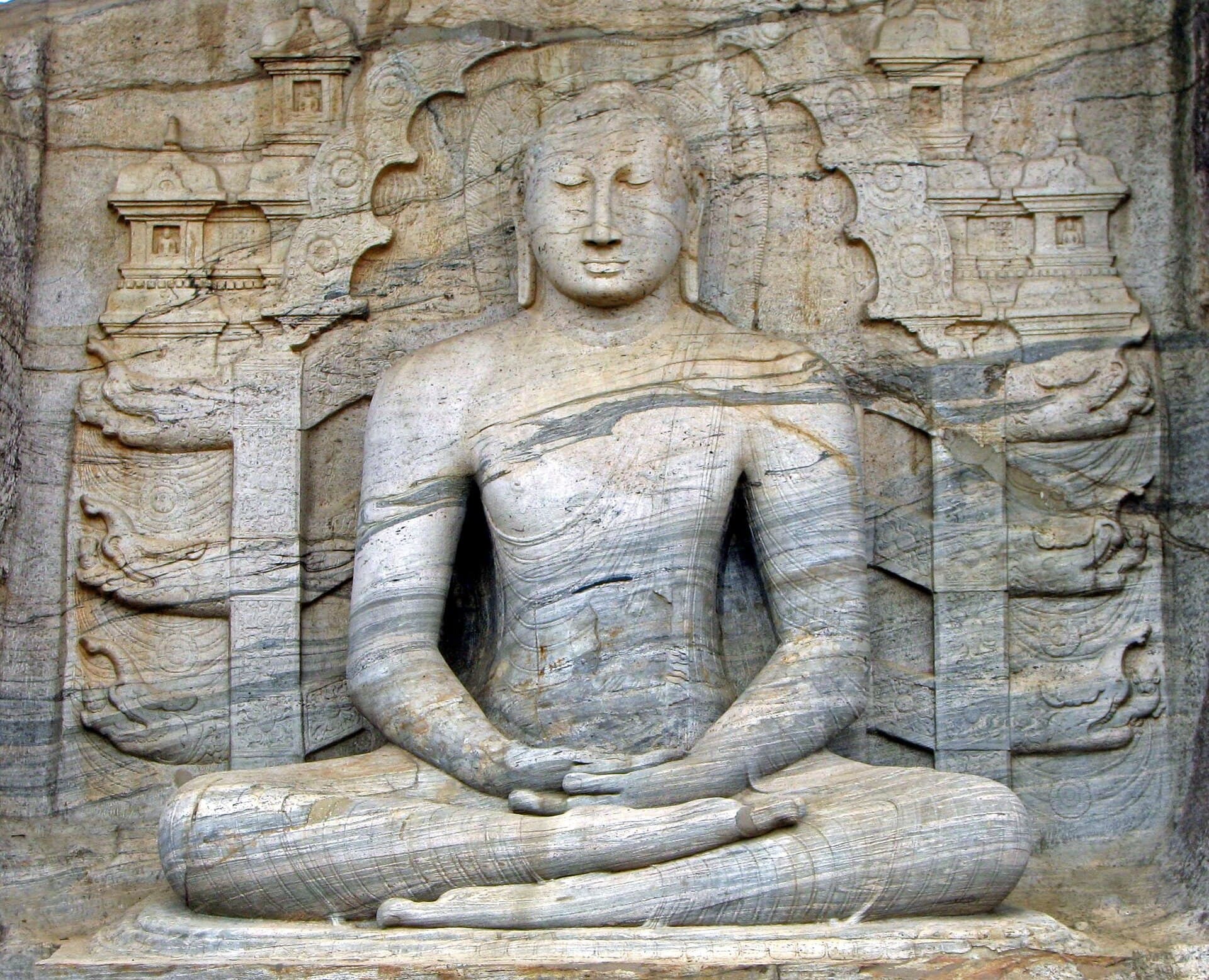
The Gal Vihara, originally known as the Uttararama (Northern Monastery), is the artistic masterpiece of the Polonnaruwa Kingdom and stands as one of the finest examples of ancient stone carving in the world. Commissioned by King Parakramabahu the Great in the 12th century, this sacred rock temple consists of four massive images of the Buddha, all flawlessly carved out of a single, continuous granite rock face. The early craftsmen utilized the natural dark bands and contours of the granite to add a sense of depth and movement to the sculptures. The four statues depict the Buddha in different postures, each representing a distinct spiritual state. The first is a large seated Buddha in deep meditation, positioned inside a carved rock alcove. The second is a smaller seated figure surrounded by images of deities. The third sculpture is a unique, 23-foot-tall standing Buddha with his arms crossed over his chest, depicting a state of supreme compassion and sorrow for the suffering of the world. The final and most spectacular image is a colossal, 46-foot-long reclining Buddha that depicts the Parinirvana (the final passing away into Nirvana). The attention to detail is extraordinary, visible in the soft expression on the face, the uniform folds of the thin robes, and the gentle indentation on the stone pillow under the Buddha's head. Visitors walk barefoot across a wide sand courtyard to view the sculptures, which are shaded by open structures, creating a deeply peaceful atmosphere.

Explore Experience
Galle Dutch Fort
UNESCO HeritageMust See
Galle & The Historic Southern Coast

Galle Dutch Fort

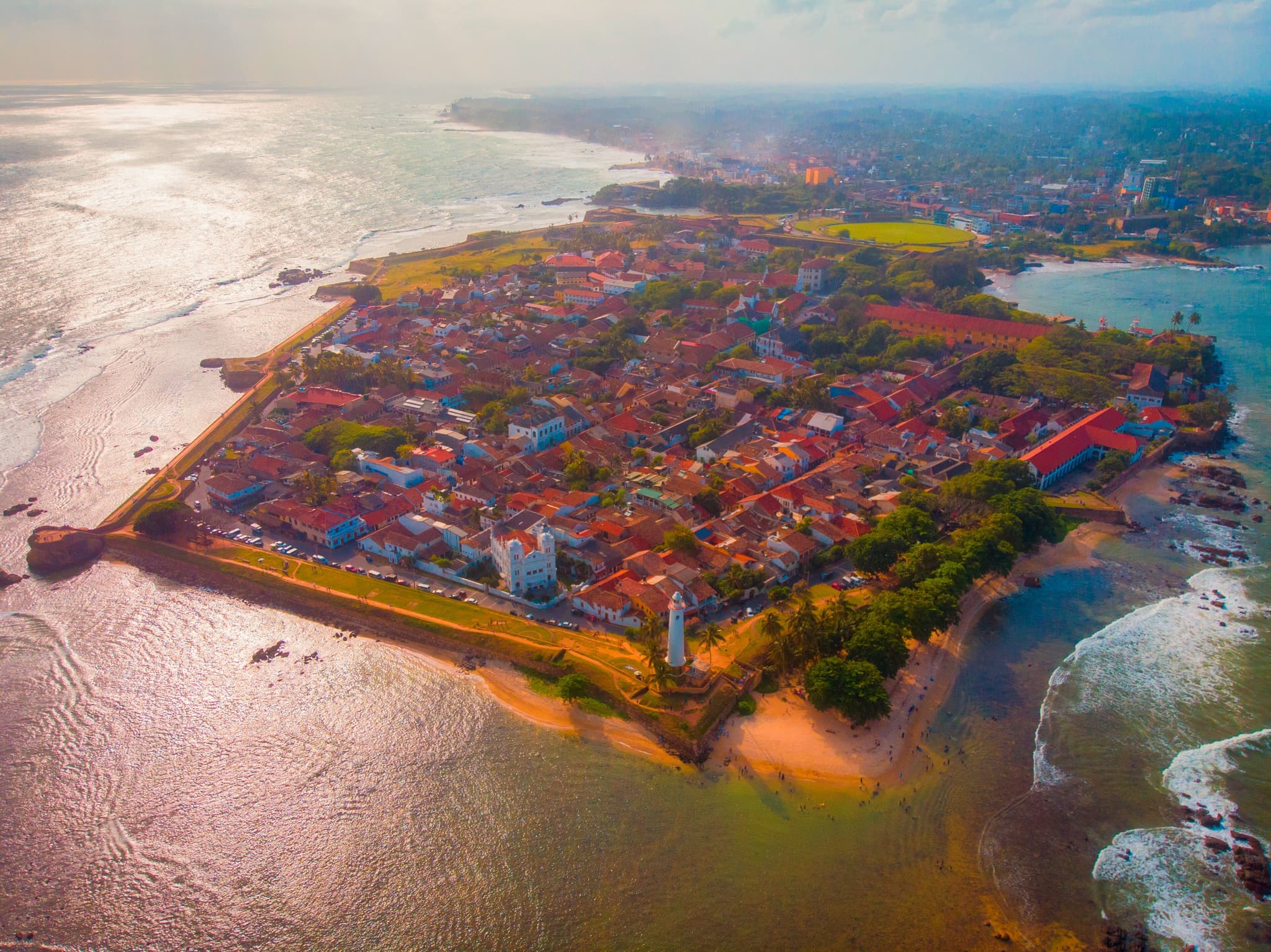
The Galle Dutch Fort is a monumental, 90-acre UNESCO World Heritage Site that stands as the most exceptionally preserved European fortified city in all of South and Southeast Asia. First constructed as a rudimentary earthwork fort by the Portuguese in 1588, the fortification was completely re-engineered by the Dutch East India Company (VOC) after they captured the city in 1640. The Dutch constructed a massive, impenetrable wall of solid coral and granite blocks, featuring fourteen distinct bastions designed to withstand both heavy artillery fire from rival European navies and the rough swells of the ocean. A walk through the fort is an immersion into colonial history. The thick perimeter walls, which successfully protected the internal town from the devastating 2004 Indian Ocean tsunami, feature popular walking paths that come alive at sunset. Visitors can explore key historic entryways like the Old Gate, which still features the carved coat of arms of the Dutch East India Company on its inner facade and the British Royal Coat of Arms on the outer side. Inside the fort, the streets are lined with historic landmarks, including the Groote Kerk (Dutch Reformed Church), built in 1755 with a floor paved with old gravestones, and the massive All Saints' Anglican Church. The former Dutch Government House has been transformed into a museum, while the sprawling Old Dutch Hospital complex has been repurposed into a lively beachfront dining and shopping hub. The fort seamlessly bridges the gap between historical monument and active neighborhood, offering hours of exploration across its historic streets.

Explore Experience
Galle Lighthouse
Culture & TemplesMust See
Galle & The Historic Southern Coast

Galle Lighthouse

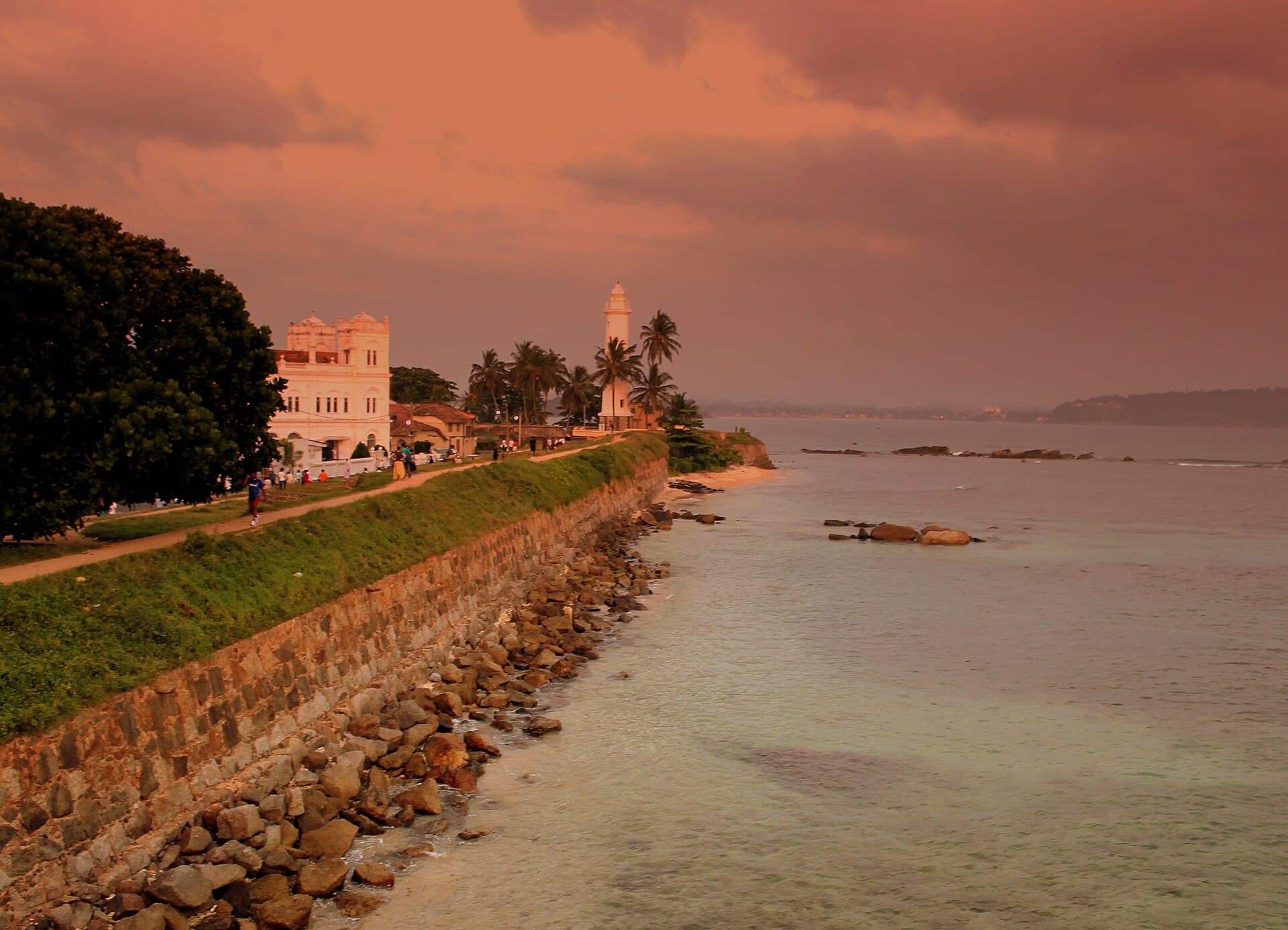
Standing proudly on the Point Utrecht Bastion at the southern edge of the fort, the Galle Lighthouse is the most iconic, photographed landmark on Sri Lanka's coast. Originally established by the British in 1848, the initial lighthouse was a 24-meter-high iron structure that was unfortunately destroyed by a fire in 1934. The current lighthouse, completed in 1939, stands as an elegant, 26.5-meter-tall (87 feet) white masonry tower that remains fully operational, flashing its vital navigation beam across the treacherous shallow reefs of Galle harbor every few seconds. The lighthouse is beautifully positioned, framed by a row of tall, swaying emerald palm trees on one side and the breaking waves of the ocean on the other. It overlooks a small, sandy beach where local families gather to swim in the shallow, reef-protected waters. While the interior of the tower is closed to the public to protect the active light machinery, the base of the lighthouse serves as the central gathering point within the fort. Late in the afternoon, as the heat breaks, travelers and locals walk along the ramparts to gather at the base of the tower. Street vendors sell slices of fresh mango seasoned with chili and salt, families fly colorful kites in the sea breeze, and photographers set up tripods to capture the classic image of the white tower silhouetted against a brilliant crimson and orange tropical sunset.

Explore Experience
Gregory Lake
Nature & Scenic
Nuwara Eliya

Gregory Lake

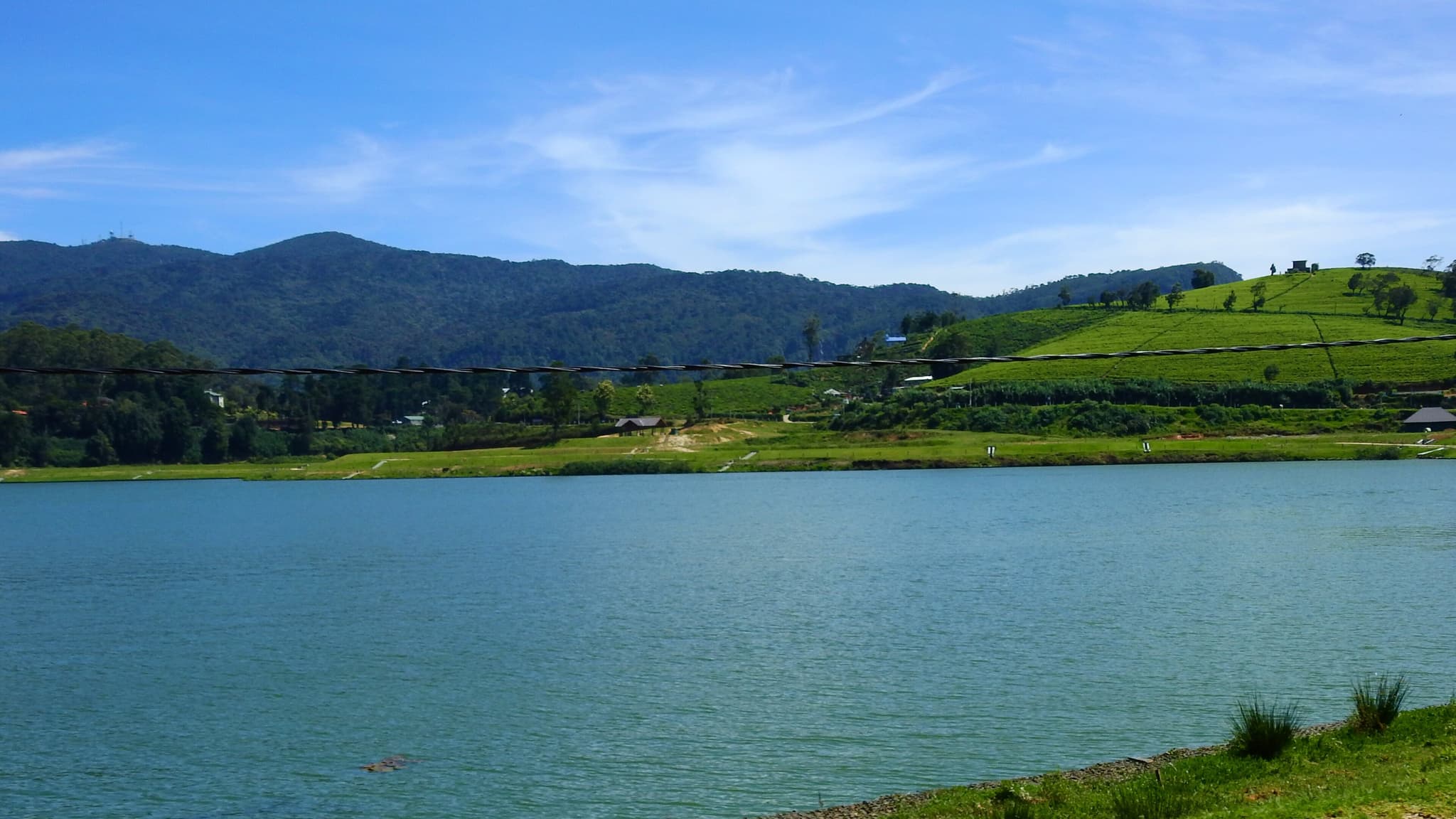
Dominating the southern edge of the town center, Gregory Lake is a scenic, man-made reservoir that has served as a central recreational space for Nuwara Eliya since the British colonial era. The lake was constructed in 1873 under the direction of British Governor Sir William Gregory, who ordered a swampy stream to be dammed to create a water feature for boating, fishing, and water sports, transforming the town into a fully functional holiday resort. Today, Gregory Lake is surrounded by a beautifully landscaped park featuring paved walkways, green lawns, and seating areas. The lakefront comes alive during the afternoon, attracting both locals and travelers who gather to enjoy the cool mountain air and lakeside activities. Visitors can explore the water by renting swan-shaped paddleboats, booking a fast jet ski ride, or climbing aboard a large motorboat for a cruise around the lake. The surrounding paths provide opportunities for pony rides and family picnics, while a collection of lakeside chalets and food stalls sell hot snacks, street food, and warm drinks. The lake reflects the surrounding pine trees and colorful colonial-era holiday homes, making it an excellent spot for a relaxing stroll as the evening mist rolls into the valley.

Explore Experience
Hiriwadunna Village
Culture & Temples
Sigiriya & The Cultural Triangle

Hiriwadunna Village

Hiriwadunna Village offers an authentic, unhurried window into the rural agrarian lifestyle that has sustained the communities of the Cultural Triangle for generations. Located just a short distance from the bustling main roads of Habarana, this quiet hamlet is structured around the Hiriwadunna Wewa, a scenic, lotus-covered man-made reservoir that feeds the surrounding crop plots and provides a vital lifeline for both the villagers and local wildlife. A visit to Hiriwadunna is designed as a multi-stage sensory journey through rural Sri Lanka. The experience typically begins with a walk along the shaded bund of the reservoir, where massive tree roots anchor the earth and colorful kingfishers dart across the water. Travelers then board a traditional unpowered catamaran boat, gliding through patches of blooming pink and white lotus flowers while enjoying views of Sigiriya and Pidurangala rocks rising in the distance. The boat ride transitions into a walk through lush green fields, where local farmers cultivate structural crops like finger millet (kurakkan), snake gourds, okra, and sweet potatoes using traditional crop-rotation methods. The heart of the village experience takes place inside a rustic, mud-walled gama gedara (village home) topped with a thatched palm leaf roof. Here, local women demonstrate time-honored culinary techniques, using heavy stone milling wheels to grind flour and clay pots over wood- fired hearths to prepare food. Visitors can enjoy a traditional Sri Lankan rice and curry lunch served fresh on a lotus leaf, featuring flavorful dishes enhanced by freshly scraped coconut, aromatic curry leaves, and hand-ground spices. Hiriwadunna provides a meaningful cultural connection, allowing travelers to slow down and experience the deep harmony that exists between rural Sri Lankans and their natural environment.

Explore Experience
Horton Plains National Park
Nature & ScenicMust See
Nuwara Eliya

Horton Plains National Park

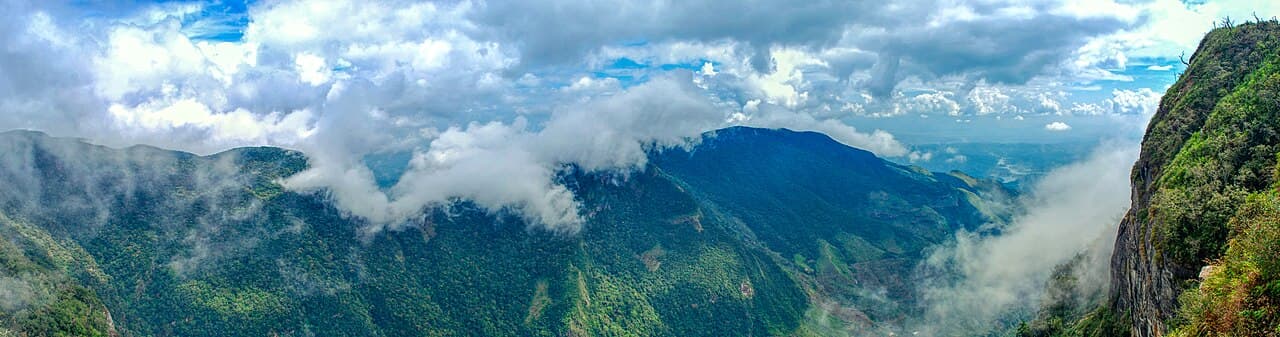
Occupying a high-altitude plateau between 2,100 and 2,300 meters above sea level, Horton Plains National Park is a wild forest sanctuary characterized by montane grasslands and cloud forests. This unique ecosystem, often drenched in mist and rain, serves as a critical watershed for the island's major rivers and provides a home to endemic wildlife, including large herds of Sri Lankan sambar deer, purple-faced langurs, and the elusive Sri Lankan leopard. The primary highlight of the park is a popular 9.5-kilometer circular trekking path that leads hikers to World's End, a dramatic vertical cliff face that drops abruptly for roughly 880 meters (2,887 feet) straight down to the valley floor below. Standing at the edge of this sheer precipice offers an exhilarating view that stretches across the southern plains all the way to the Indian Ocean on clear days. To catch this view before the morning heat creates a dense wall of white mist that blocks the drop, hikers typically enter the park at the crack of dawn. The trail winds through silent montane forests, across windswept grasslands, and past Baker's Falls, a beautiful waterfall that cascades down a rugged stone wall surrounded by wild ferns. The crisp, biting morning air, the sound of endemic birds calling from the canopy, and the primeval look of the moss- covered trees make a trek through Horton Plains one of the most memorable nature experiences on the island.

Explore Experience
Isurumuniya Rock Temple
Culture & TemplesMust See
Anuradhapura

Isurumuniya Rock Temple

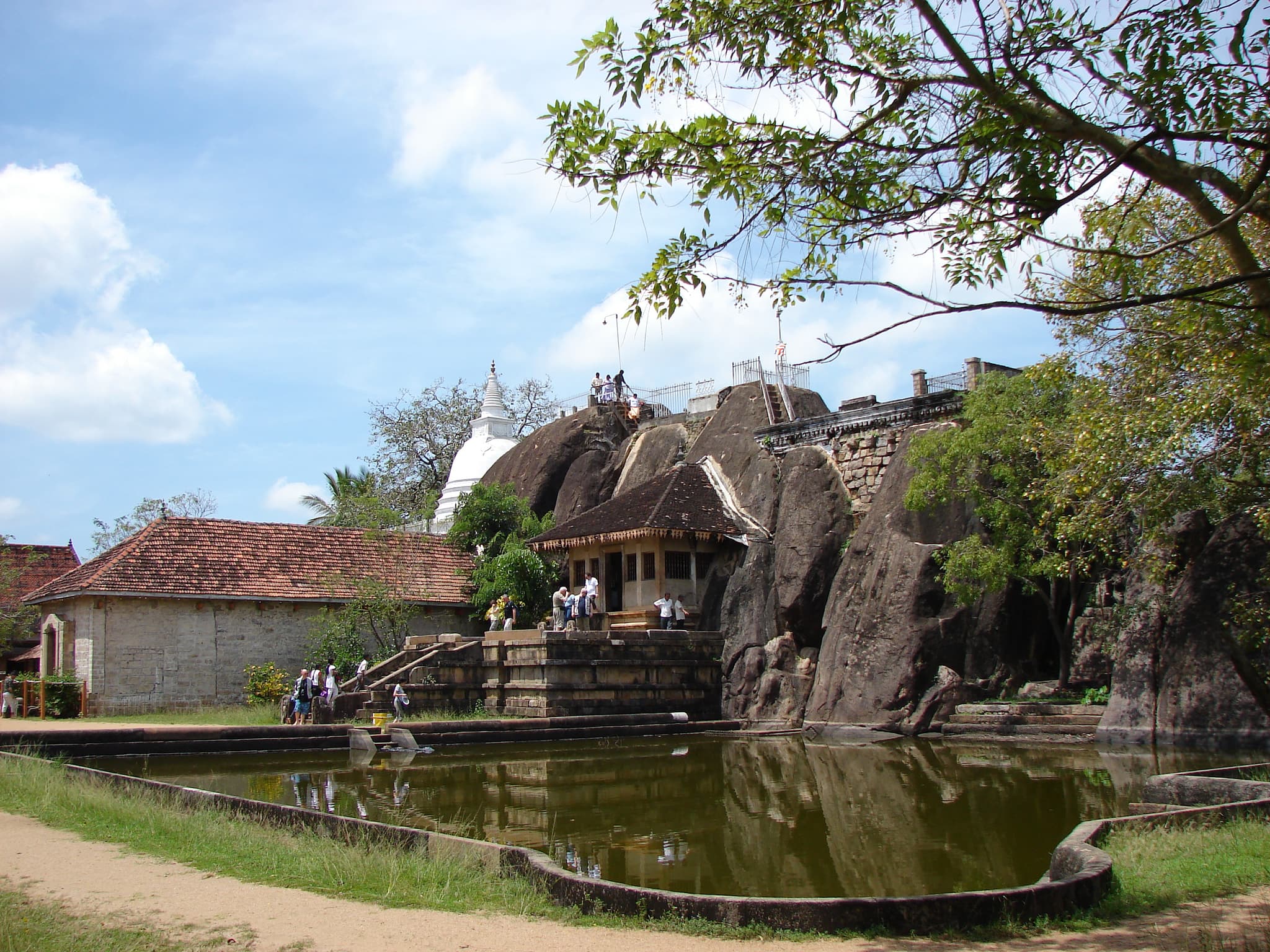
Located near the banks of the historic Tissa Wewa reservoir, the Isurumuniya Rock Temple is a beautiful, low-slung temple complex carved directly into a natural granite cliff face. Built by King Devanampiya Tissa in the 3rd century BC, this ancient site was designed as a monastic sanctuary for high-caste ordained monks who wished to live in quiet meditation away from the main palace courts. The temple is built around a peaceful lotus pond, with a small white stupa perched gracefully at the highest point of the rock. The granite cliff face features a series of ancient low-relief carvings, including a famous image of elephants splashing in water carved directly at the water's edge, showcasing a wonderful blend of natural stone and artistic design. Isurumuniya is globally celebrated for its small on-site museum, which houses some of the finest examples of early Sri Lankan stone carving discovered during excavations. The crowning jewel of the collection is the "Isurumuniya Lovers," a 5th-century Gupta-style stone plaque that depicts a seated warrior holding a beautiful young woman on his lap. Local legend suggests the carving depicts Prince Saliya, the son of King Dutugemunu, who famously gave up his right to the royal throne to marry a low-caste village girl named Asokamala. The collection also features the "Man and Horse" carving and a selection of royal court scenes, offering an intimate look into the artistic skills of early craftsmen.

Explore Experience
Jaya Sri Maha Bodhi
Culture & TemplesMust See
Anuradhapura

Jaya Sri Maha Bodhi

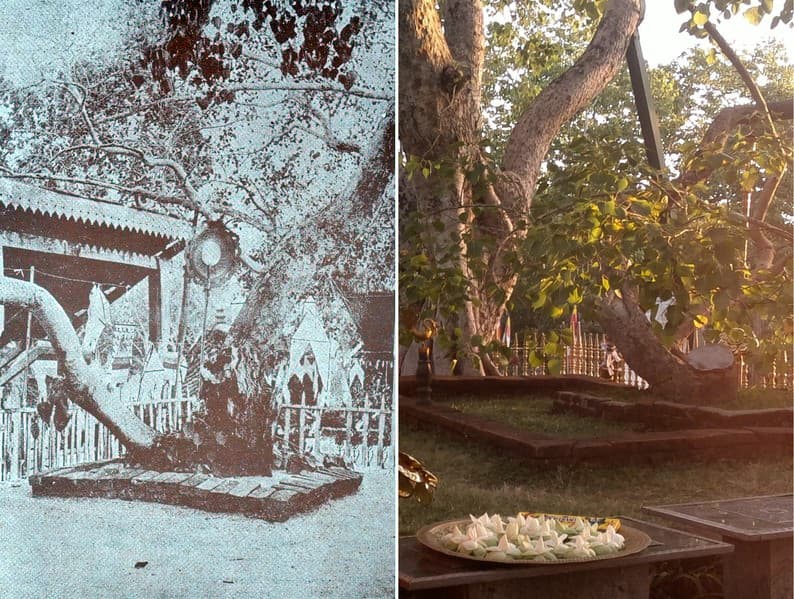
The spiritual anchor of Anuradhapura, the Jaya Sri Maha Bodhi is the oldest historically documented, human-planted tree in the entire world. Plented in 288 BC under the patronage of King Devanampiya Tissa, this sacred southern branch of the historical Bodhi tree (Ficus religiosa) under which Gautama Buddha attained supreme enlightenment in Bodh Gaya, India, was brought to Sri Lanka by Theri Sangamitta, the daughter of Emperor Ashoka the Great. For nearly 2,300 years, through foreign invasions, internal civil wars, and shifting capital cities, the tree has been continuously guarded and cared for by an unbroken lineage of dedicated Buddhist monks and royal caretakers. The sacred tree is situated on a raised, multi-tiered earthen terrace inside a beautifully designed temple complex. The tree's oldest and most revered branch is supported by a series of elegant, gold-plated steel pillars to protect it from high winds and the weight of time. The temple is surrounded by a low wall designed to protect the roots, while a broad stone courtyard offers space for thousands of pilgrims who gather daily to meditate. Visitors must remove their shoes at the outer gates and walk barefoot onto the sun-warmed stone floors. The atmosphere here is deeply meditative; the air is heavy with the scent of jasmine flowers and burning coconut oil lamps, while the gentle rustling of the tree's heart-shaped leaves creates a soothing sound that blends with the soft chanting of the devotees. It serves as a living connection to the very dawn of Buddhism on the island, remaining one of the most sacred pilgrimage sites on earth.

Explore Experience
Jetavanaramaya Stupa
UNESCO HeritageMust See
Anuradhapura

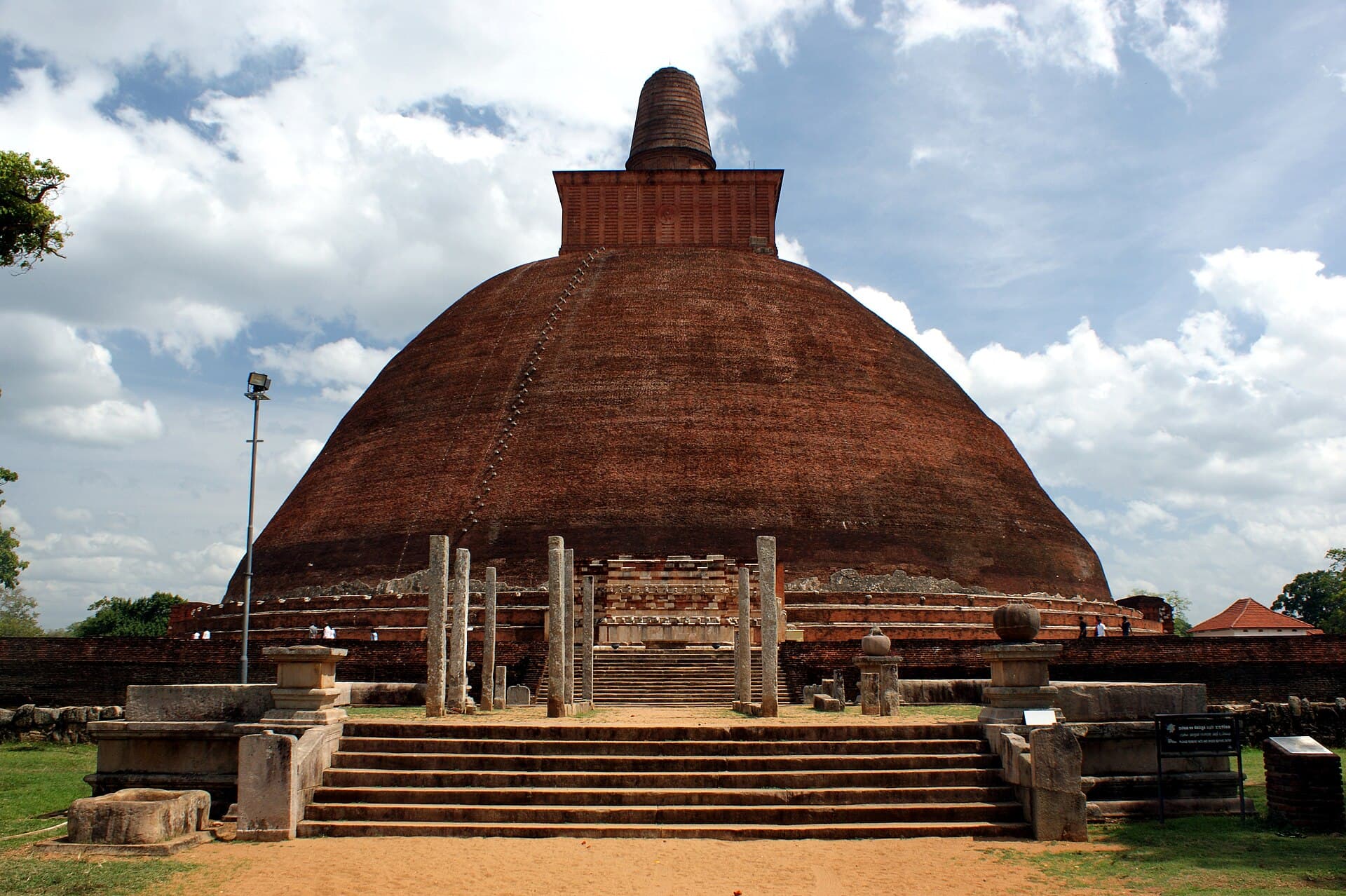
Jetavanaramaya Stupa

The Jetavanaramaya Stupa is a colossal monument to human ambition and engineering skill. Constructed in the 3rd century AD by King Mahasen, this massive brick stupa stands as the largest brick structure ever built in the ancient world. When it was completed, it reached a staggering height of roughly 400 feet, making it the third-tallest engineering monument in the ancient world, surpassed only by the Great Pyramids of Giza. Archaeologists estimate that the construction of Jetavanaramaya required over 93 million baked clay bricks, showcasing the incredible logistical capabilities and advanced firing techniques of early Sinhalese builders. The stupa’s foundation is exceptionally deep, extending nearly 28 feet into the solid bedrock to support the massive weight of the structure. Unlike the beautifully plastered white surface of Ruwanwelisaya, Jetavanaramaya has been left in its natural, unplastered brick state, giving it a raw, earthy red appearance that contrasts beautifully with the surrounding green trees. A walk around the massive stone platform reveals the remains of ancient stone pillars, beautifully carved guard stones, and a ruined image house that once held a giant Buddha statue. The sheer scale of the red brick dome, which has survived centuries of jungle overgrowth and changing weather, stands as a quiet monument to the sophistication of ancient South Asian civilizations.

Explore Experience
Jungle Beach
Beaches & Coastal
Galle & The Historic Southern Coast

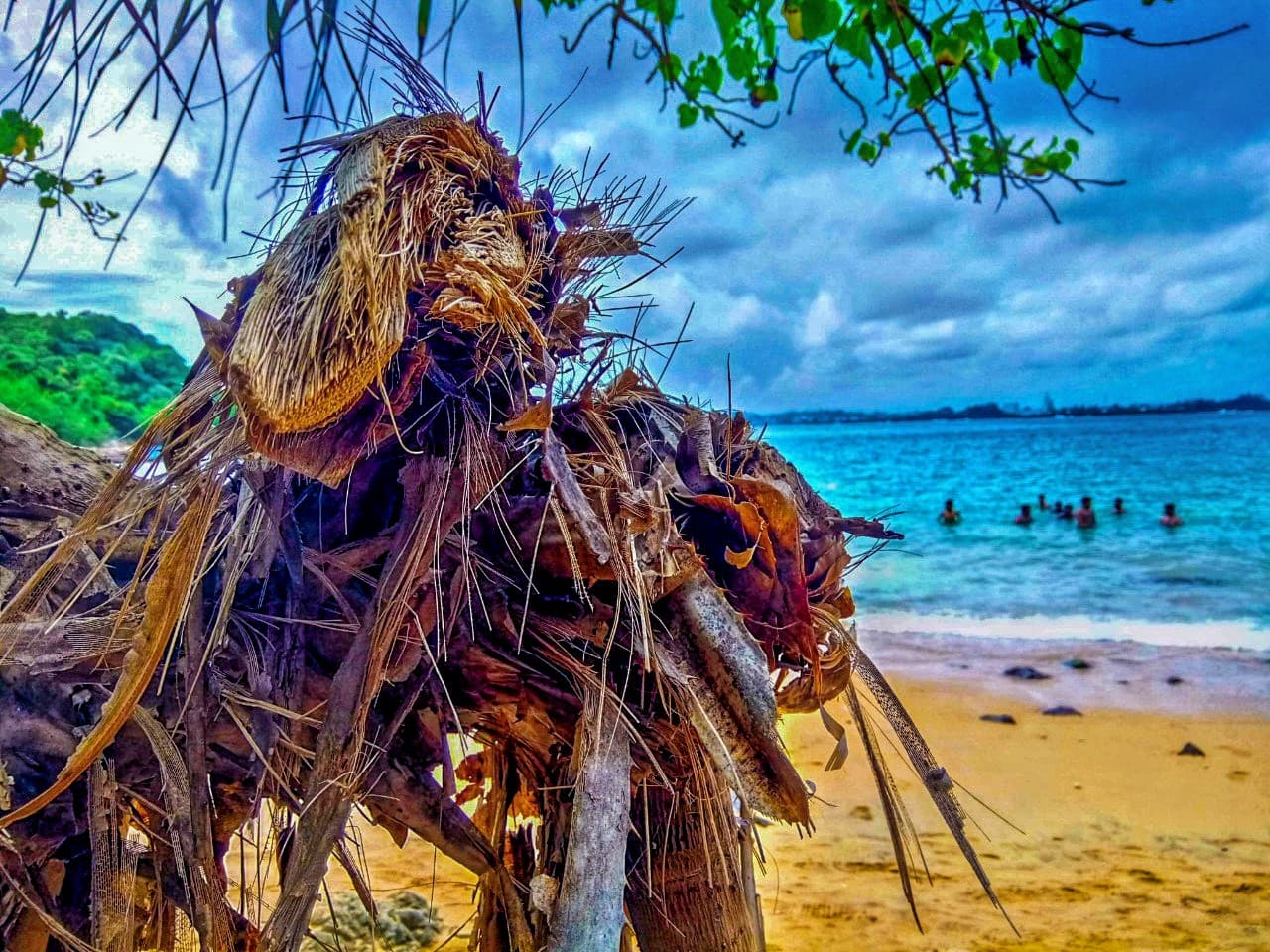
Jungle Beach

For those looking to escape the lively crowds of Unawatuna, Jungle Beach offers a quiet, secluded alternative hidden along the forested Rumassala Hill peninsula. This hidden treasure is tucked away from the main coastal highway, accessible via a narrow, winding road that passes the Japanese Peace Pagoda, followed by a short hike down a steep, shaded forest trail. Emerging from the dense jungle canopy reveals a small, pristine cove of fine golden sand, completely framed by overhanging wild trees and tropical vines that dip down toward the water's edge. Because the bay is deeply sheltered by the Rumassala headland, the water here is exceptionally calm, clear, and turquoise, resembling a natural swimming pool. Jungle Beach is highly regarded by snorkelers. Just a short swim from the sandy shore lies a vibrant coral reef teeming with marine life, where lucky swimmers can spot colorful parrotfish, angelfish, sea anemones, and even green sea turtles feeding in the shallows. A rustic beach shack built from bamboo and palm leaves sits under the shade of the trees, serving fresh coconut water, cold drinks, and simple local seafood dishes, allowing travelers to spend a relaxing day completely immersed in nature.

Explore Experience
Kandy Lake
Nature & Scenic
Kandy

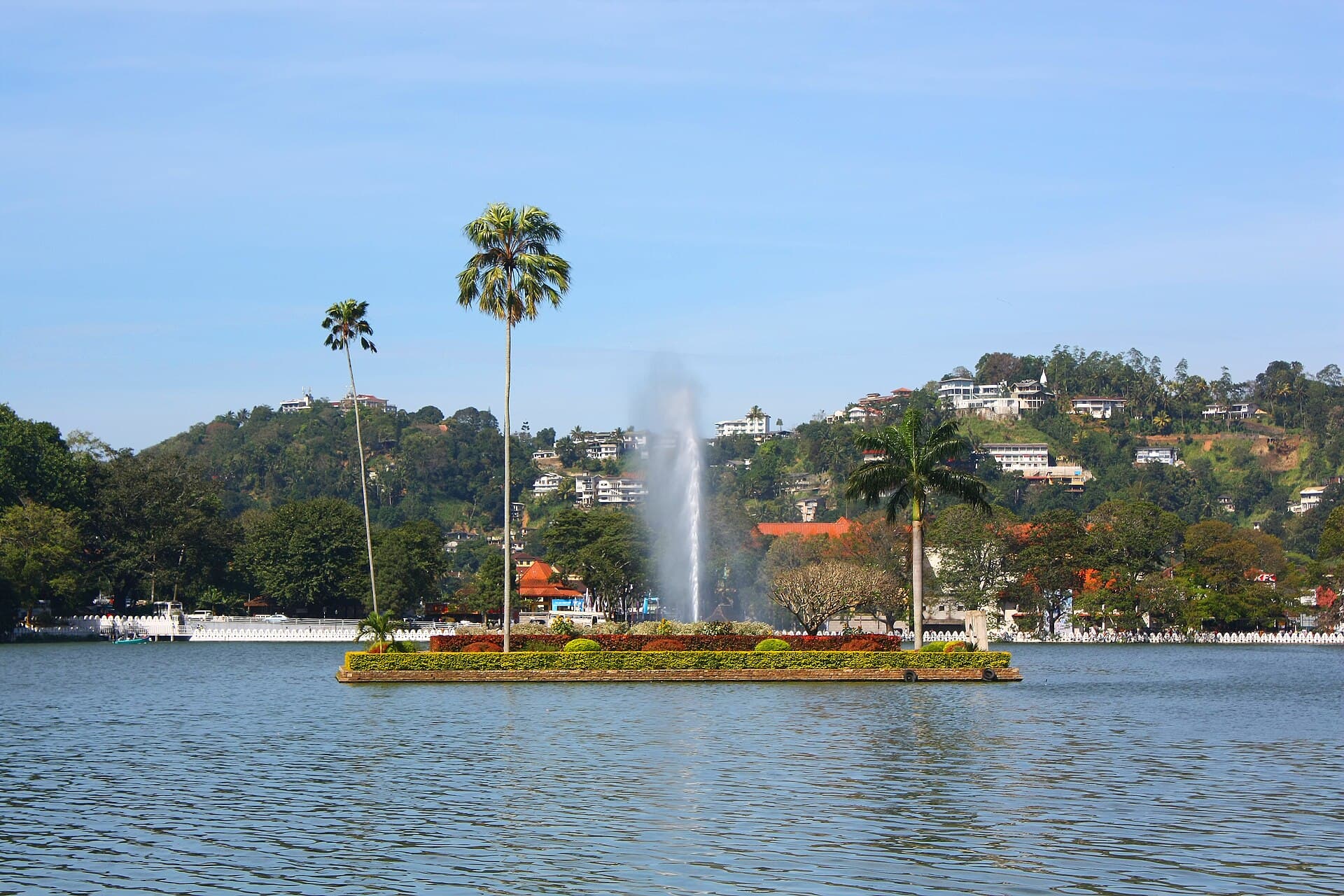
Kandy Lake

Dominating the center of the city, Kandy Lake (historically known as Bogambara Wewa) is a beautiful, man-made body of water that acts as a scenic anchor for the surrounding town. The lake was constructed in 1807 by King Sri Wickrama Rajasinghe, the final monarch of the Kingdom of Kandy. The king transformed a marshy network of paddy fields into a grand royal lake right next to his palace complex, despite protests from local nobles who viewed the project as an unnecessary use of royal labor. The lake is surrounded by a low, decorative white stone wall known as the Walakulu Bemma (Cloud-Drift Wall). This architectural feature contains small triangular openings originally designed to hold oil lamps, illuminating the water's edge during royal festivals. At the center of the lake sits a small, tree-covered island known as Jayatilleke Mandapaya, which the king used as a private summer house for his royal queens. Today, a broad, tree-shaded footpath runs completely around the lake, providing a popular scenic loop for casual walks. Walking along the path offers views of the surrounding hills, old British colonial hotels, and the golden roof of the Temple of the Tooth reflecting off the calm water. The lake is also a sanctuary for local urban wildlife. Visitors can spot large water monitor lizards swimming through the shallows, families of egrets and pelicans resting on wooden posts, and schools of freshwater fish gathering near the banks.

Explore Experience
Kanniya Hot Springs
Culture & Temples
Trincomalee

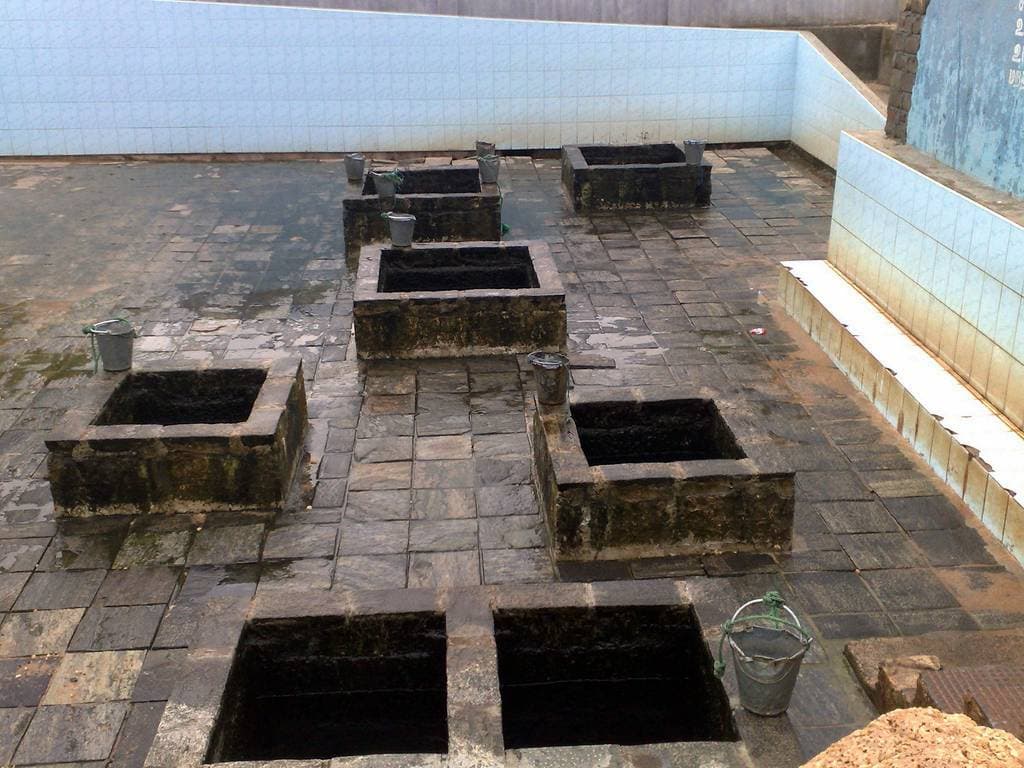
Kanniya Hot Springs

Located just a short drive inland from the main coastal roads of Trincomalee, the Kanniya Hot Springs are a fascinating geological and cultural attraction that has been used for therapeutic and religious cleaning rituals for centuries. The site consists of seven distinct, square-shaped stone wells, each filled with naturally warm, mineral-rich water that bubbles up directly from deep underground thermal channels. The hot springs are deeply tied to ancient Hindu mythology, particularly the epic Ramayana. According to local legend, the demon king Ravana struck the earth with his sword in seven places to create these springs, wishing to produce hot water for the funeral rituals of his mother. Today, each of the seven stone wells produces water with a slightly different, distinct temperature, ranging from pleasantly warm to quite hot. The water is believed to contain high concentrations of natural minerals that offer therapeutic healing properties for skin ailments and joint pain. Visitors use simple plastic buckets to scoop the warm water from the wells, pouring it over their heads to enjoy a traditional, refreshing thermal bath. The site is highly active, surrounded by small markets selling local spices, handicrafts, and hot tea, offering a unique look into local wellness customs.

Explore Experience
Kataragama Temple Complex
Culture & TemplesMust See
Yala & The Deep South Wilds

Kataragama Temple Complex

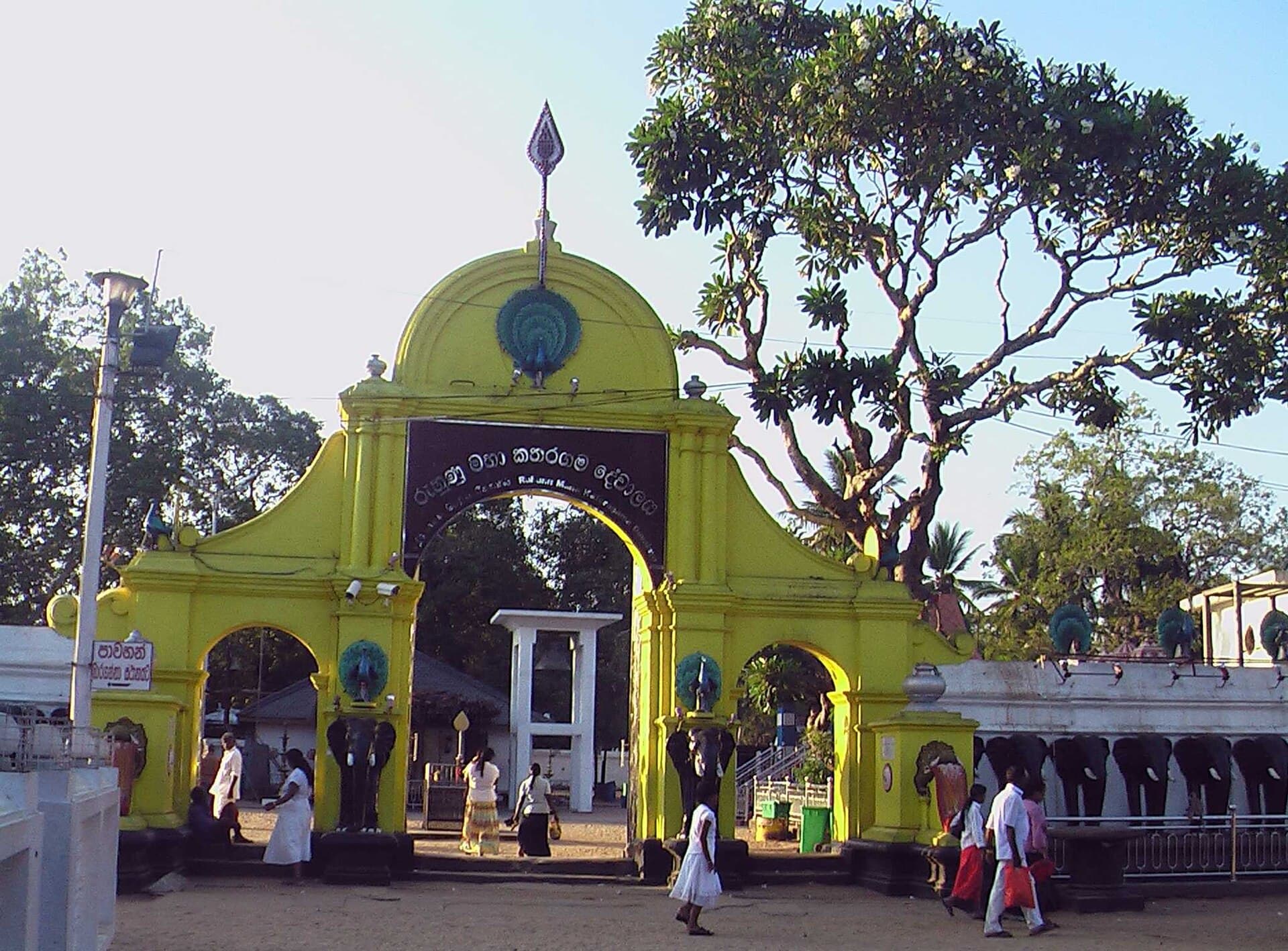
Situated just north of the park boundaries along the banks of the sacred Menik Ganga (Gem River), the historic town of Kataragama is the spiritual heart of southern Sri Lanka. Unlike most religious sites on the island, which are dedicated to a single faith, Kataragama is a unique multi- religious holy site where Buddhists, Hindus, Muslims, and the indigenous Vedda people have gathered to worship side-by-side in complete harmony for over two millennia. The sprawling complex is dedicated to the deity Kataragama Deviyo, a powerful warrior god identified by Hindus as Lord Skanda or Murugan. The main shrine, the Maha Devale, is a simple, elegant structure that contains no statues, only a sacred curtain embroidered with images of the god and his two consorts. The daily pooja (prayer) services are a powerful sensory experience. Clad in simple clothing, thousands of pilgrims line up outside the shrine holding woven baskets filled with fresh fruit, coconuts, and fragrant jasmine flowers. As the temple doors open, the air fills with the deep resonance of chiming brass bells, the rhythmic beating of traditional drums, and the scent of burning camphor oil. Pilgrims smash coconuts on stone blocks as an act of devotion, while dancers perform the energetic Kavadi dance, balancing decorated wooden arches on their shoulders. The complex also houses the colossal Kirivehara Stupa, a historic Buddhist monument built by King Mahasena in the 6th century BC, which stands as a peaceful, white beacon just a short walk down a tree-lined avenue.

Explore Experience
Koggala Stilt Fishermen
Culture & TemplesMust See
Galle & The Historic Southern Coast

Koggala Stilt Fishermen

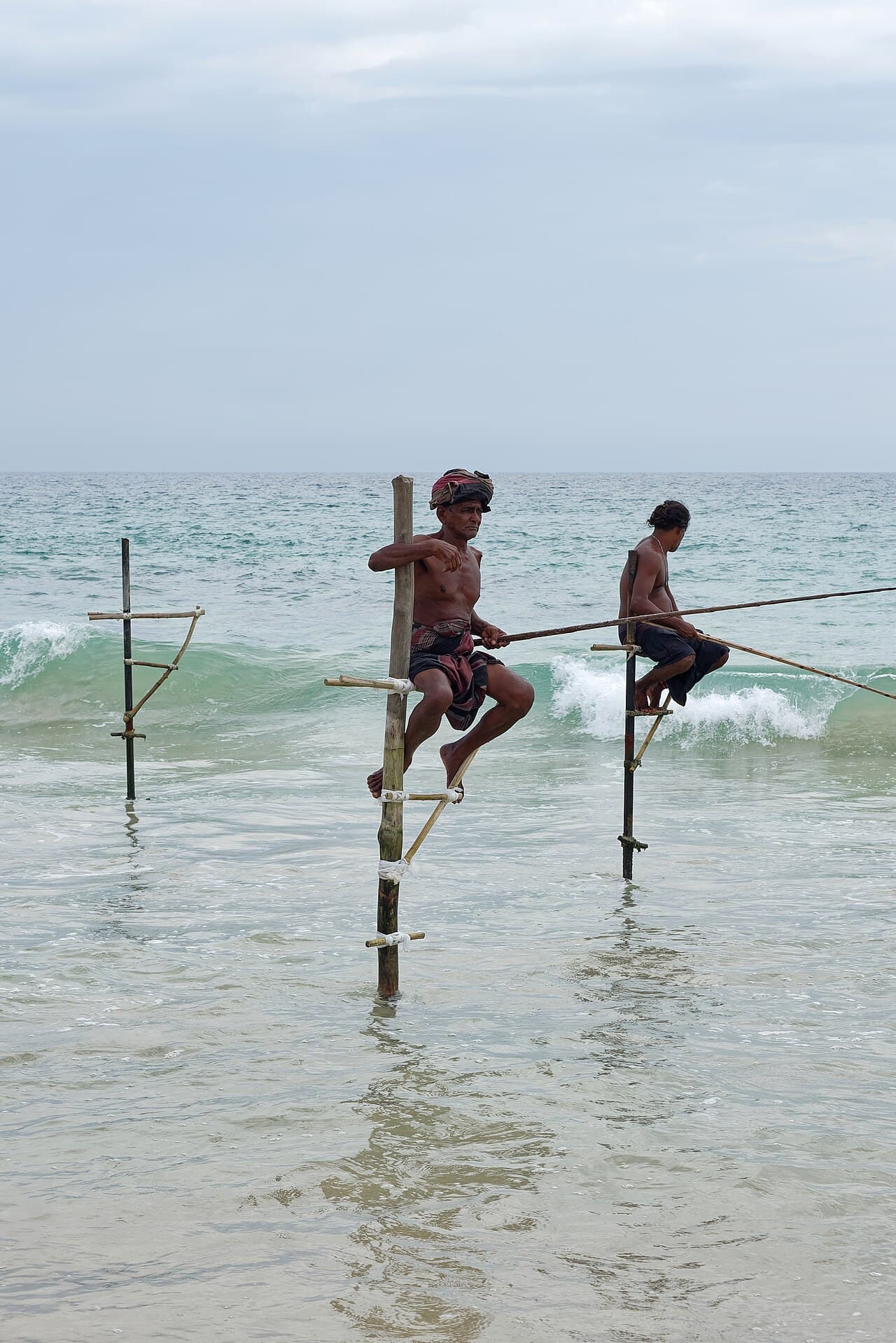
Located just a short drive down the coast road from Galle, the small coastal village of Koggala is home to one of the most unique and iconic cultural images of Sri Lanka: stilt fishing (known locally as Ritipanna). This traditional fishing method is highly specialized, practiced by a small number of families along the island's southern edge, and passed down from fathers to sons for generations. The practice developed during World War II when food shortages forced local men to devise a creative way to fish without boats. The fishermen construct a slender wooden structure, driving a heavy pole deep into the coral reef, and tying a crossbar called a petta a few feet above the water. The fishermen wade out into the surf twice a day—at dawn and dusk—climbing onto the stilts to balance masterfully on the narrow crossbars. Holding a slender rod made from kithul wood in one hand, they sit quietly for hours, waiting to catch small herrings and mackerel that gather in the shallow reef pools. This minimalist fishing method requires immense balance, patience, and skill, as the fishermen must remain perfectly still to avoid scaring the fish. The sight of these fishermen silhouetted against the crashing waves and changing colors of the coastal sky is a beautiful expression of artistic harmony between human tradition and the ocean.

Explore Experience
Koneswaram Temple
Culture & TemplesMust See
Trincomalee

Koneswaram Temple

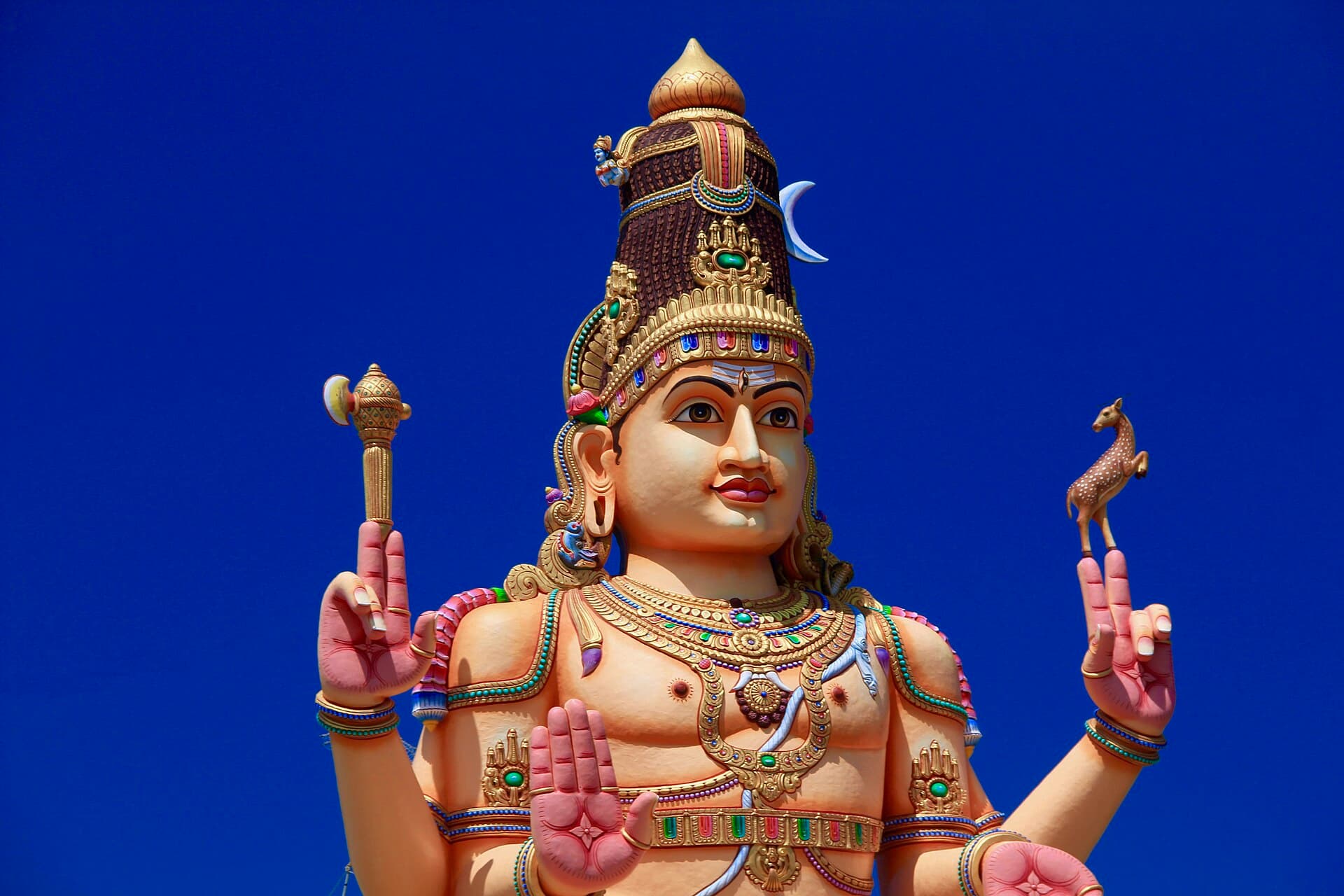
Perched dramatically atop the rocky precipice of Swami Rock, high above the deep waters of Trincomalee harbor, the Koneswaram Temple is a grand medieval Hindu temple complex that stands as one of the most revered religious sites on the island. Historically known as the "Temple of a Thousand Pillars," this ancient classical structure was established over two millennia ago and was globally celebrated as one of the richest and most architecturally sophisticated temples in Asia before it was tragically dismantled by Portuguese colonial forces in 1622. The current temple was beautifully rebuilt in the mid-20th century, reclaiming its historic place on the cliff edge. The temple is dedicated to Lord Shiva and is built in the classic Dravidian architectural style, featuring a colorful, multi-tiered entrance tower (Gopuram) adorned with hundreds of intricately sculpted figures of deities, mythical creatures, and epic battle scenes. Visitors walk barefoot up a shaded stone pathway lined with old banyan trees to reach the main shrine room. The interior is a powerful sensory experience, filled with the rhythmic chiming of brass bells, the scent of burning camphor oil, and the vibrant colors of religious offerings. The temple grounds feature a towering, golden statue of Lord Shiva sitting in meditation, looking out over the expansive blue waters of the ocean below. The deep faith of the pilgrims, combined with the temple's dramatic high-altitude coastal positioning, creates an atmosphere of profound spiritual grandeur.

Explore Experience
Little Adams Peak
Nature & ScenicMust See
Ella

Little Adams Peak

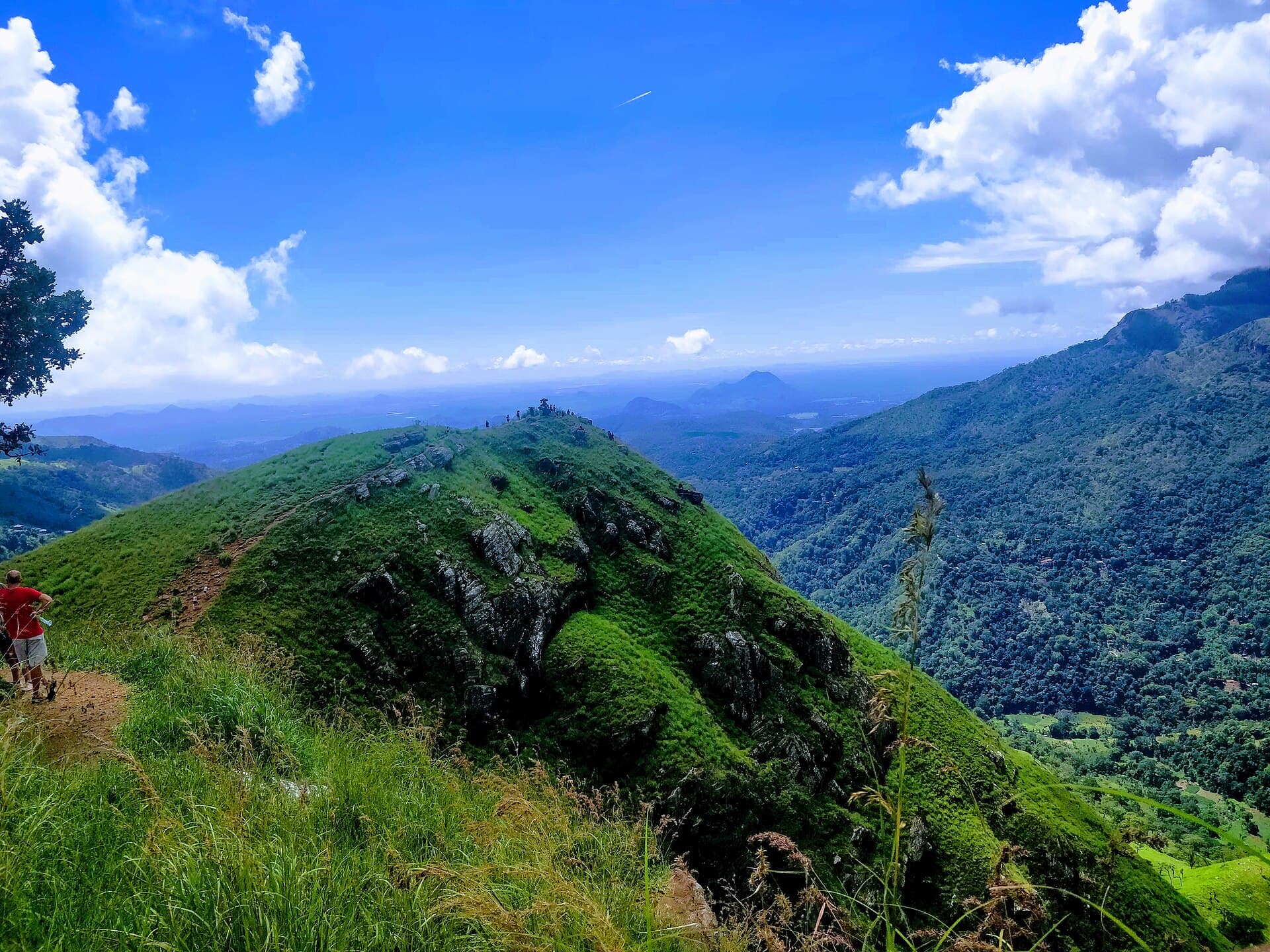
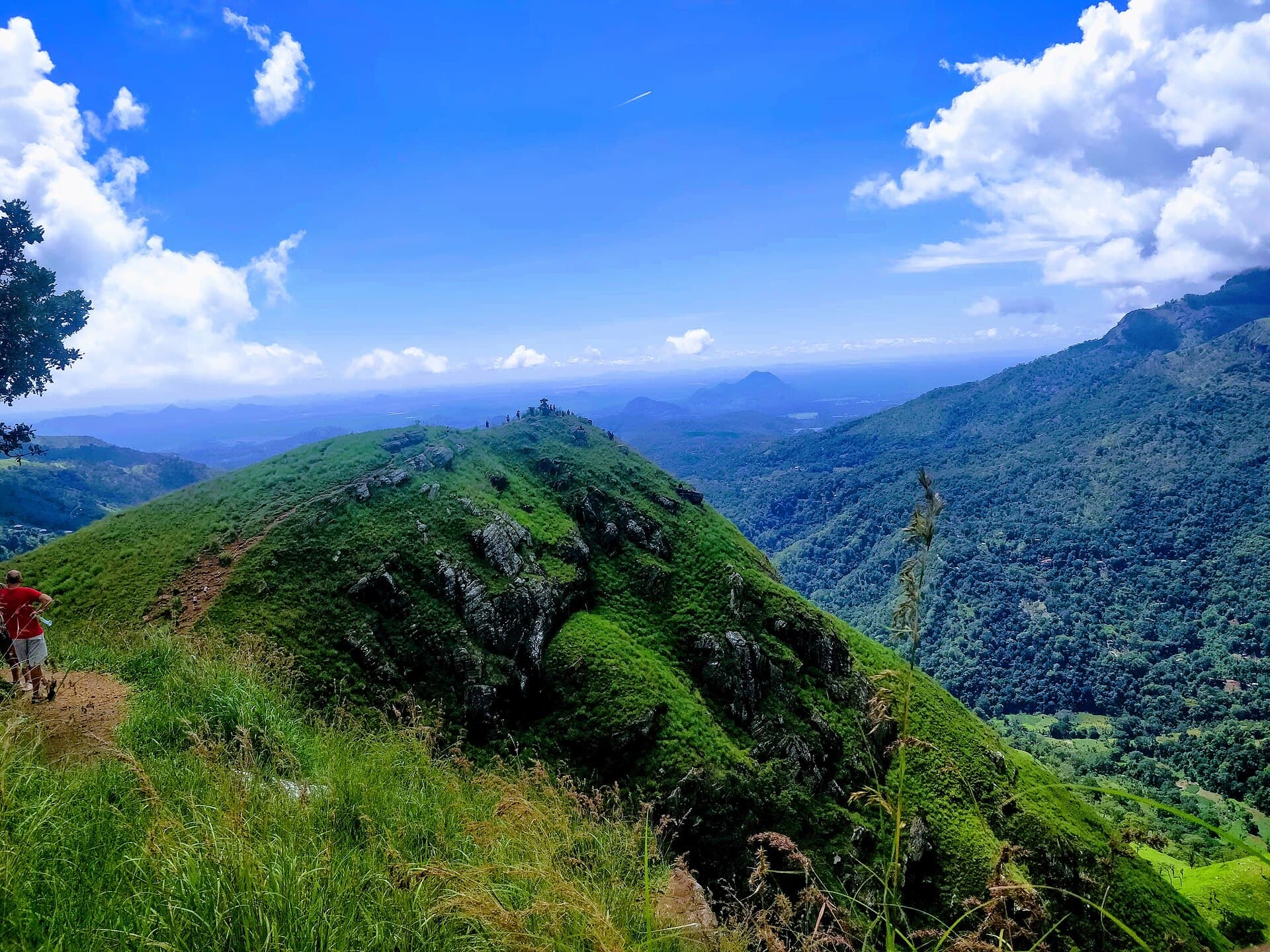
Named after its sacred, much larger counterpart in the southwestern highlands (Sri Pada / Adam's Peak) due to its similar pyramidal silhouette, Little Adam's Peak (known locally as Punchi Sri Pada) is the most popular and accessible trekking route in Ella. Rising 1,141 meters above sea level, this hike is designed as a beginner-friendly trail that provides an exceptionally high reward for a relatively mild physical effort, making it suitable for families and casual walkers alike. The journey begins at the edge of the town center, passing through the beautiful, neatly manicured rows of the 98 Acres tea estate. The initial path is broad, gravel-paved, and gently sloped, winding through rows of vibrant green tea bushes where travelers can watch tea pluckers at work. The air is filled with the clean, herbaceous scent of crushed tea leaves. As the trail nears the base of the peak, it transitions into a well-kept concrete staircase that climbs steeply up the final ridge line, flanked by wild mountain grasses and hardy pine trees. Reaching the narrow crest reveals a breathtaking, 360-degree panorama. The primary summit features a small viewing platform, often decorated with colorful Buddhist prayer flags that flutter in the strong mountain breeze. To one side, the sheer drop of the Ella Gap reveals the vast southern plains stretching toward the horizon, while to the other, the dramatic, imposing face of Ella Rock rises directly opposite. For the more adventurous, a narrow dirt trail continues along the razor-sharp ridge line to two further peaks, offering an exhilarating walk with sheer drops on either side and unmatched views of the sunrise or sunset painting the mountain peaks in warm golden hues.

Explore Experience
Minneriya National Park
Wildlife & SafariMust See
Sigiriya & The Cultural Triangle

Minneriya National Park

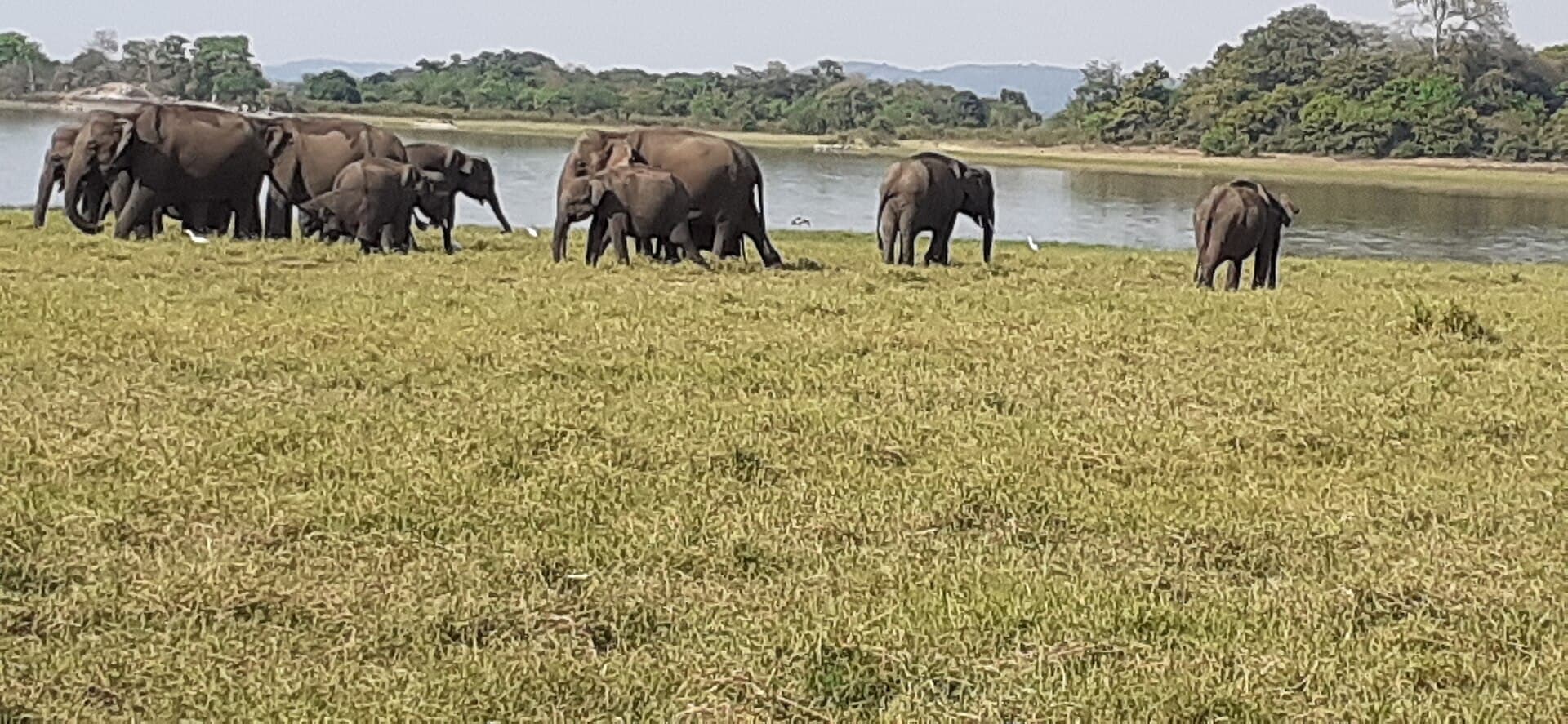
Minneriya National Park is a vibrant wilderness sanctuary dominated by the ancient Minneriya Tank, a massive man-made reservoir built by King Mahasen in the 3rd century AD. While the park is home to a diverse array of wildlife—including Sri Lankan leopards, sloth bears, spotted deer, and large flocks of painted storks and cormorants—it is globally celebrated for a singular, breathtaking ecological phenomenon known simply as "The Gathering." Occurring annually during the dry season from July to October, The Gathering is recognized as the largest congregation of wild Asian elephants anywhere on earth. As the intense tropical sun dries up the smaller waterholes across the surrounding forests of the North Central Province, hundreds of wild elephants migrate out of the dense jungle toward the receding waters of Minneriya. The exposed lake bed transforms into a vast pasture of lush, fertile green grass, providing an abundant food and water source when the rest of the region is parched. During the peak of the dry season, visitors entering the park in open-top 4x4 jeeps can witness up to 300 elephants gathered along the open banks of the reservoir. Unlike many wildlife encounters that offer fleeting glimpses, Minneriya allows travelers to sit quietly and observe the complex social dynamics of these gentle giants for hours. Matriarchs lead their herds across the open plains, tiny calves play under the watchful eyes of their mothers, and massive tuskers spar gently along the water's edge. The sight of these magnificent animals interacting freely against the backdrop of the shimmering ancient tank and distant blue mountains is one of the world's greatest wildlife spectacles.

Explore Experience
Mirissa Whale Watching
Wildlife & SafariMust See
Mirissa

Mirissa Whale Watching

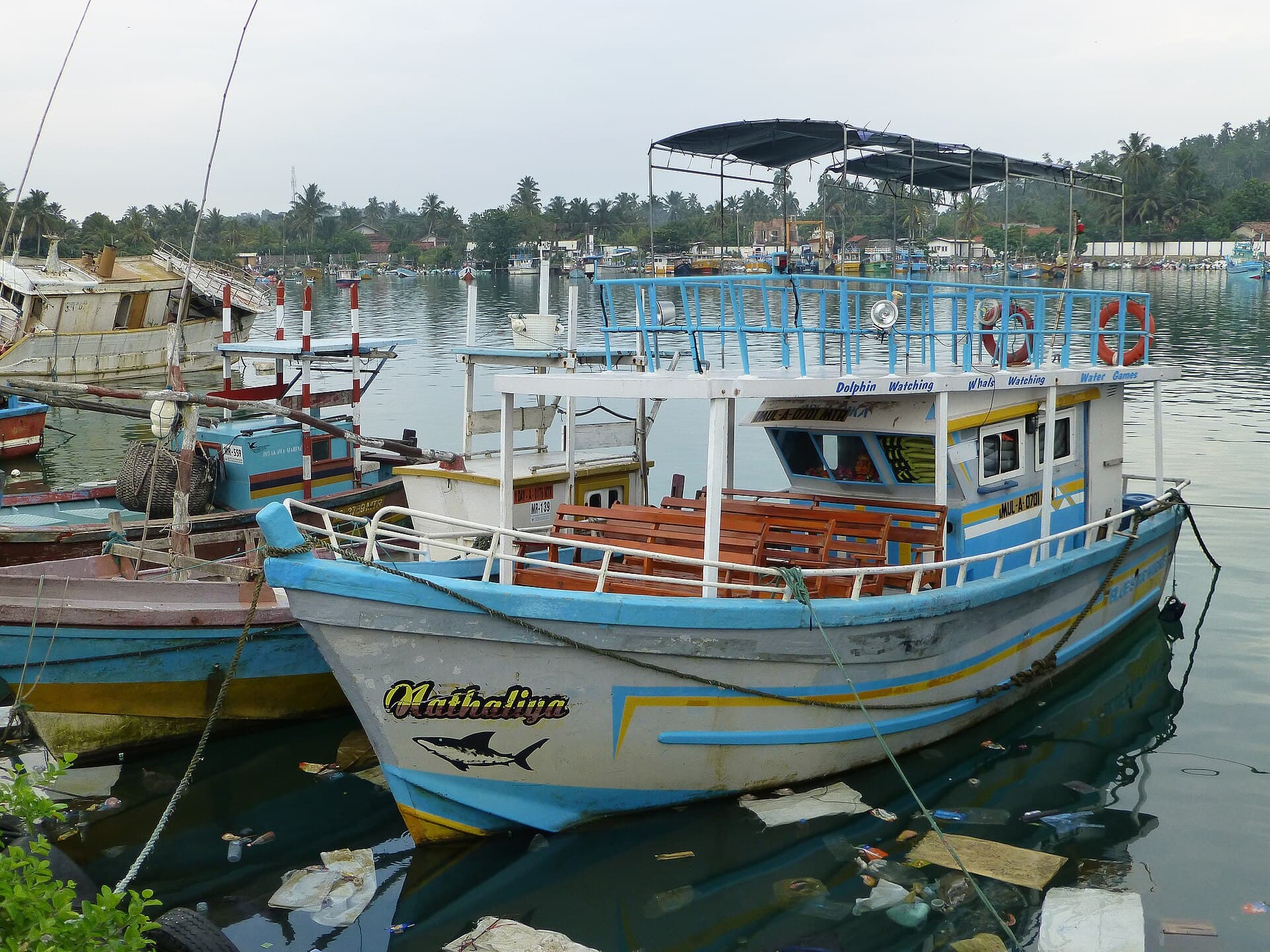
Mirissa is internationally recognized by marine biologists and travelers as one of the absolute best and most reliable locations on earth to observe the magnificent blue whale (Balaenoptera musculus), the largest animal ever known to have lived. The unique geography of the southern coast means that deep water sits very close to the shore, allowing these gentle marine giants to migrate comfortably within a short distance of the coast as they travel between the Bay of Bengal and the Arabian Sea. The whale watching season runs primarily from November to April, when the ocean currents are calm and visibility is high. Excursions depart early in the morning from the bustling Mirissa Harbor, with passengers boarding specialized passenger vessels operated by crews trained in marine conservation guidelines. As the boat ventures into the deep blue water of the Indian Ocean, naturalists scan the horizon for the telltale signs of whale activity. Witnessing a blue whale in its natural habitat is a humbling experience. The encounter usually begins with the sighting of a massive, 30-foot spout of water shooting into the air as the whale surfaces to breathe. Visitors can watch the long, dark blue back roll smoothly through the water before the whale arches its back, lifting its massive tail fluke high into the air before diving back down into the deep ocean trenches. In addition to blue whales, these tours regularly encounter large pods of acrobatic spinner dolphins, sperm whales, pilot whales, and green sea turtles, making it an exceptional marine wildlife adventure.

Explore Experience
Nilaveli Beach
Beaches & CoastalMust See
Trincomalee

Nilaveli Beach

Nilaveli Beach is the undisputed crown jewel of Trincomalee's coastline, celebrated as one of the most beautiful and pristine stretches of sand in South Asia. Located roughly 15 kilometers north of the town center, this long, uninterrupted beach features fine, powdery white sand that slopes gently into the warm, incredibly clear, turquoise waters of the Indian Ocean. Unlike the busier surf towns of the south, Nilaveli maintains a deeply peaceful, unhurried atmosphere. The beach is broad and open, lined primarily with wild coastal shrubs, groves of leaning palm trees, and a few low-key, eco-friendly resorts tucked away from the water's edge. The water at Nilaveli is remarkably calm and shallow for a long distance from the shore, making it an ideal destination for swimming, sunbathing, and long walks along the sand. The air is remarkably clean, and on clear days, the horizon offers a panoramic view across the deep blue sea, with the rocky silhouette of Pigeon Island rising just a few kilometers offshore. It serves as a perfect escape for travelers looking to slow down and experience the raw, natural beauty of an untouched tropical coastline.

Explore Experience
Nine Arch Bridge
Iconic LandmarkMust See
Ella

Nine Arch Bridge

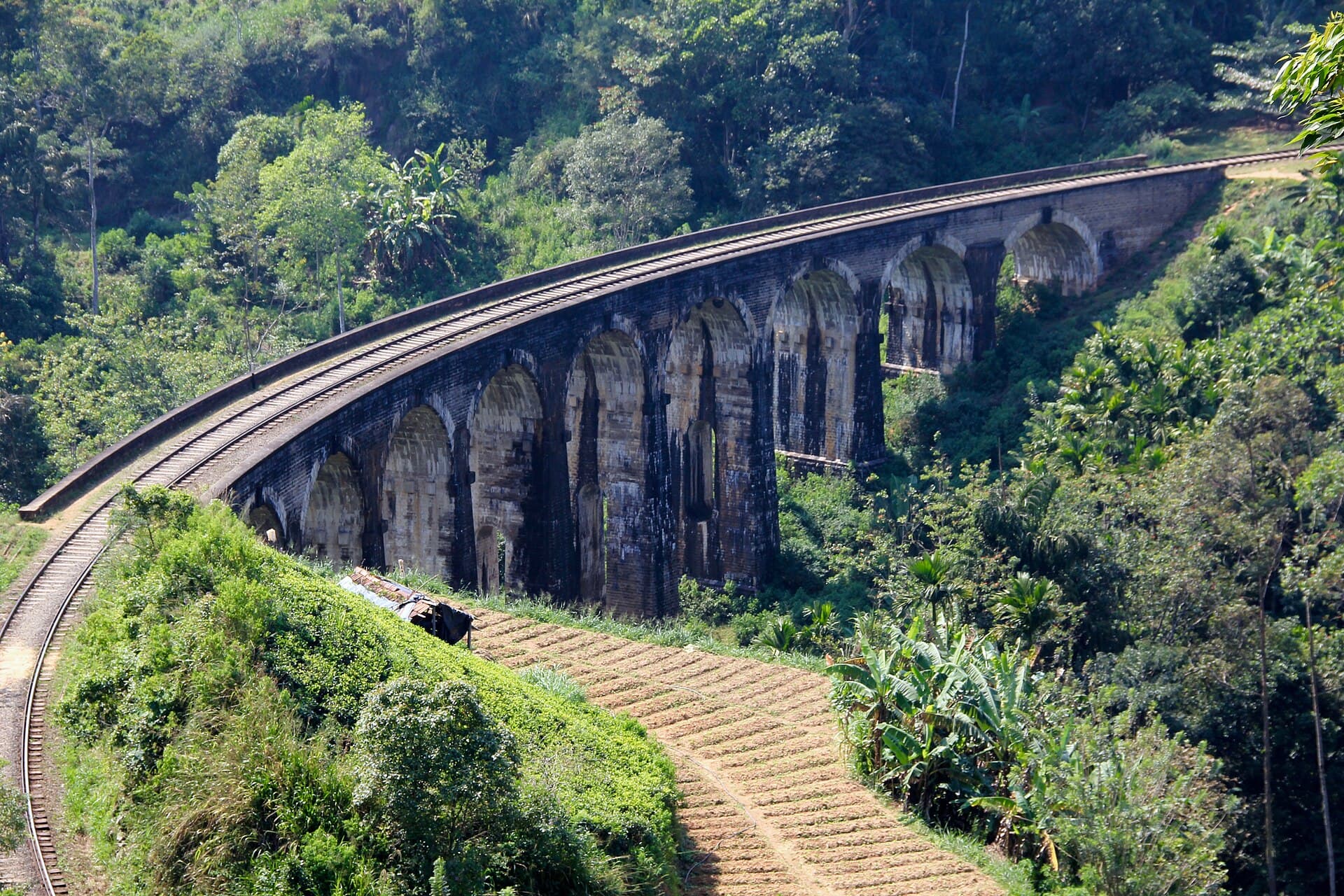
Spanning a lush, forested valley between the Ella and Demodara railway stations, the Nine Arch Bridge is a brilliant testament to colonial-era engineering and architectural beauty. Commissioned under the British governorship in the early 20th century, construction on this massive railway viaduct coincided with the outbreak of World War I. When the steel intended for the bridge was redirected to support the British war effort, local Ceylonese builders, led by an exceptional builder named Appuhami, pivoted to an ingenious solution: they constructed the entire 300-foot-long, 80-foot-high structure using only stone blocks, bricks, and cement, without a single piece of structural steel. Affectionately known by locals as Ahas Namaye Palama (The Nine Skies Bridge), the viaduct is an aesthetic masterpiece. Its nine uniform arches curve gracefully across a deep ravine, surrounded by rows of bright green tea bushes and towering banana trees. Walking along the active railway tracks across the bridge has become a rite of passage for travelers visiting Sri Lanka. The stone surfaces are worn smooth by time, offering an immersive look into a bygone era of rail travel. The true magic of the Nine Arch Bridge happens several times a day when the blue or red passenger trains rumble slowly across the tracks. Spectators gather on the surrounding hillsides, at cozy lookout cafes, or directly underneath the arches to watch the train pass. The rhythmic chugging of the locomotive, the plumes of white steam against the dark green jungle canopy, and the sight of passengers leaning out of open doorways waving to onlookers create a nostalgic, postcard-perfect scene that captures the romance of travel in the hill country.

Explore Experience
Parakrama Samudra
Culture & Temples
Polonnaruwa

Parakrama Samudra

The Parakrama Samudra, known universally as the "Sea of Parakrama," is a colossal, man-made shallow reservoir that stands as the ultimate achievement of ancient Sri Lankan hydraulic engineering. Built by King Parakramabahu the Great in the 12th century, this massive body of water was created by connecting three older reservoirs via a system of embankments and channels, following the king’s famous decree that "not a single drop of water falling from the sky should flow into the ocean without serving the development of mankind." The reservoir spans a vast area of over 5,300 acres, so massive that its flowing waters produce active waves like the ocean, making it difficult to see the opposite shoreline on misty days. The reservoir is anchored by a massive earthen dam that stretches for miles along the edge of the city. Today, the Parakrama Samudra remains a vital life source for the region, channeling water to thousands of acres of surrounding rice paddies and providing a home to diverse wildlife, including large flocks of pelicans, cormorants, and water monitor lizards. A broad road runs along the top of the embankment wall, providing a popular scenic route for an evening stroll or bicycle ride. The sunset over the water is spectacular, as the sun sinks below the distant mountains, painting the lake in warm shades of gold and orange, offering a peaceful conclusion to an exploration of Polonnaruwa.

Explore Experience
Parrot Rock
Nature & Scenic
Mirissa

Parrot Rock

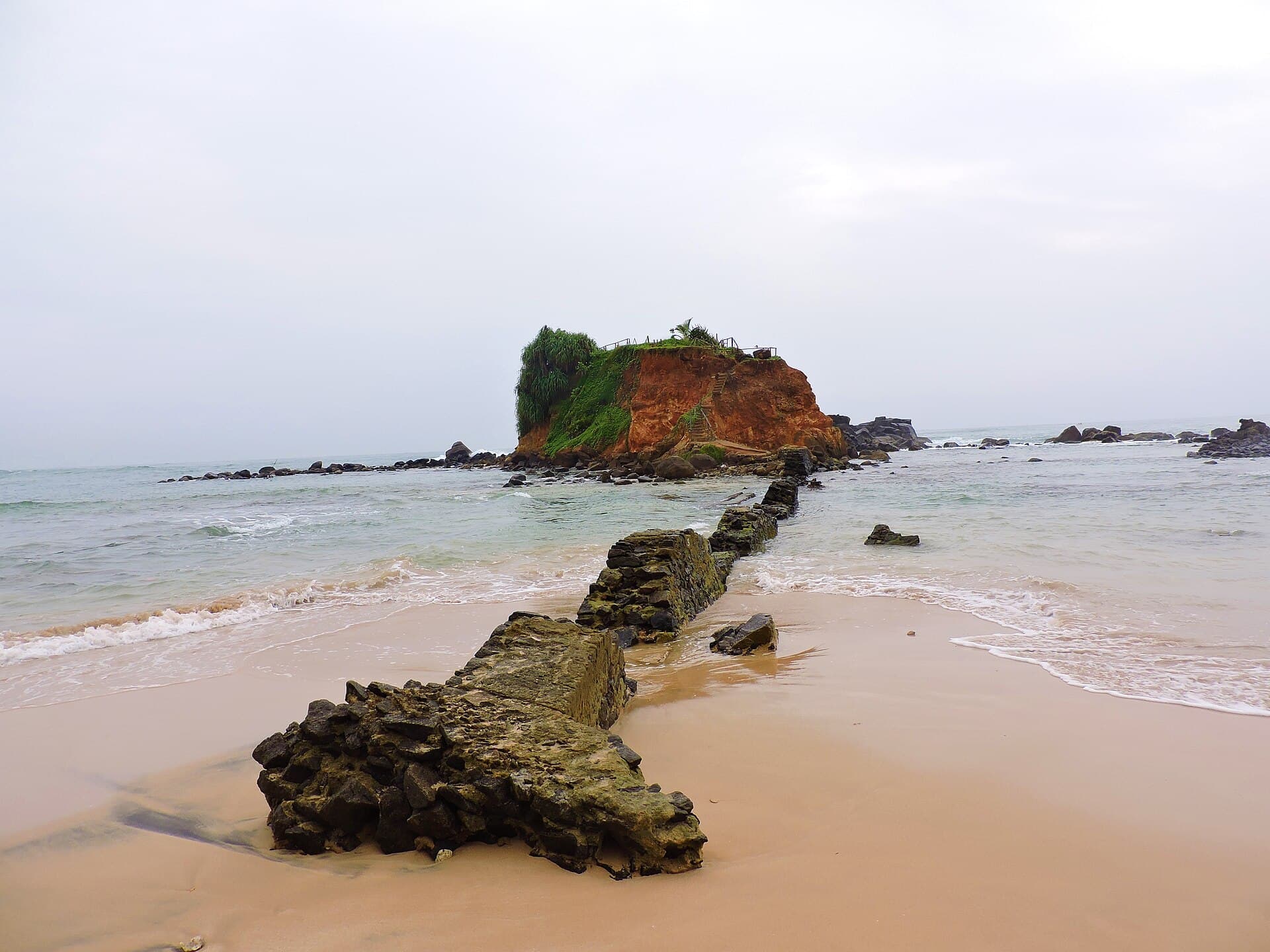
Standing directly in front of the main stretch of Mirissa Beach, Parrot Rock is a small, isolated red-rock island that acts as a natural landmark for the bay. This rugged rock formation rises out of the water just a short distance from the sand, offering an excellent vantage point to view the entire layout of the coastline. Access to Parrot Rock depends entirely on the daily tides. During low tide, a sandy strip is exposed, allowing visitors to walk comfortably through knee-deep water to reach the base of the rock. A set of rustic wooden steps and handrails built into the rock face allows travelers to climb safely to the flat summit. Standing at the top of Parrot Rock provides a panoramic view across the curved sweep of Mirissa Beach on one side and the rocky coastline leading toward Weligama on the other. It is a popular spot to watch surfers catch waves along the reef break or to enjoy the sea breeze as the tide changes. Visitors must watch the water levels closely, as high tide can quickly cut the island off from the mainland, making a walk back through the surf an adventurous finish to the visit.

Explore Experience
Pedro Tea Estate
Nature & ScenicMust See
Nuwara Eliya

Pedro Tea Estate

Located just a few kilometers east of the town center at the base of Pidurutalagala (Sri Lanka’s tallest mountain peak), the Pedro Tea Estate is a historic, fully operational tea plantation that dates back to 1885. This sprawling estate covers hundreds of acres of steep hillsides, blanketed in a vibrant green carpet of tea bushes. It remains one of the premier producers of light, aromatic "high-grown" Ceylon tea, globally appreciated for its delicate flavor profile and pale golden color. A visit to the Pedro Tea Estate provides a comprehensive look into the step-by-step process of tea production, which has remained largely unchanged since the 19th century. The experience begins in the emerald-green fields, where travelers can watch Tamil tea pluckers move across the steep slopes, selecting only the delicate "two leaves and a bud" from each plant. Visitors can walk along the narrow pathways between the bushes to learn about the strict agricultural practices required to maintain the plants. The journey continues inside the historic, multi-story processing factory, where the air is thick with the rich, grassy scent of drying leaves. Guides lead visitors past heavy, original British- made machinery to demonstrate the stages of tea processing: withering, rolling, fermenting, drying, and mechanical sorting. Because the delicate leaves grown at Pedro require gentle handling, the factory operates primarily at night when temperatures are cooler. The tour concludes at the estate’s open-air tea lounge, where travelers can sip a fresh cup of pure Ceylon tea while looking out over a panoramic view of the terraced tea valleys below.

Explore Experience
Pidurangala Rock
Nature & ScenicMust See
Sigiriya & The Cultural Triangle

Pidurangala Rock

Located just a few kilometers north of its famous sibling, Pidurangala Rock provides a raw, wild, and adventurous counterpoint to the manicured, structured history of Sigiriya. While Sigiriya served as the opulent playground of a paranoid king, Pidurangala was a place of spiritual sanctuary. King Kashyapa compensated the Buddhist monks who were displaced from Sigiriya by building a sprawling monastic complex at Pidurangala, expanding an ancient cave temple site that had housed ascetic meditators since the 2nd century BC. The trek up Pidurangala is a deeply evocative experience, taking hikers through a chronological journey from historical ruins to untouched nature. The lower slopes feature the Pidurangala Sigiri Rajamaha Viharaya, a serene modern temple built beside ancient rock shelters. As the path steepens, it transforms into an uneven, shaded staircase cut into the earth, winding past ancient boulder formations, thick forest vines, and old meditation cells. Halfway up the climb, the trail opens into a massive, sheltered rock overhang that houses a remarkable 49-foot-long reclining Buddha statue. Constructed out of brick and clay plaster, this ancient monument has quietly rested in the forest shade for over 1,500 years. The final segment of the trek changes from a standard hike into an energetic rock scramble. Adventurers must navigate a maze of massive granite boulders, squeezing through narrow crevices and hoisting themselves up onto the smooth rock face. Emerging onto the summit reveals a vast, gently sloping sheet of bare granite exposed to the elements. Unlike the ruins of Sigiriya, Pidurangala’s summit is wild and barren, offering a completely unobstructed, front-row view of Sigiriya Rock Fortress rising dramatically from the jungle floor. It has become globally renowned as the ultimate vantage point on the island to witness the sunrise, as the morning mist lifts off the surrounding lakes and forests in the golden dawn light.

Explore Experience
Pigeon Island National Park
Beaches & CoastalMust See
Trincomalee

Pigeon Island National Park

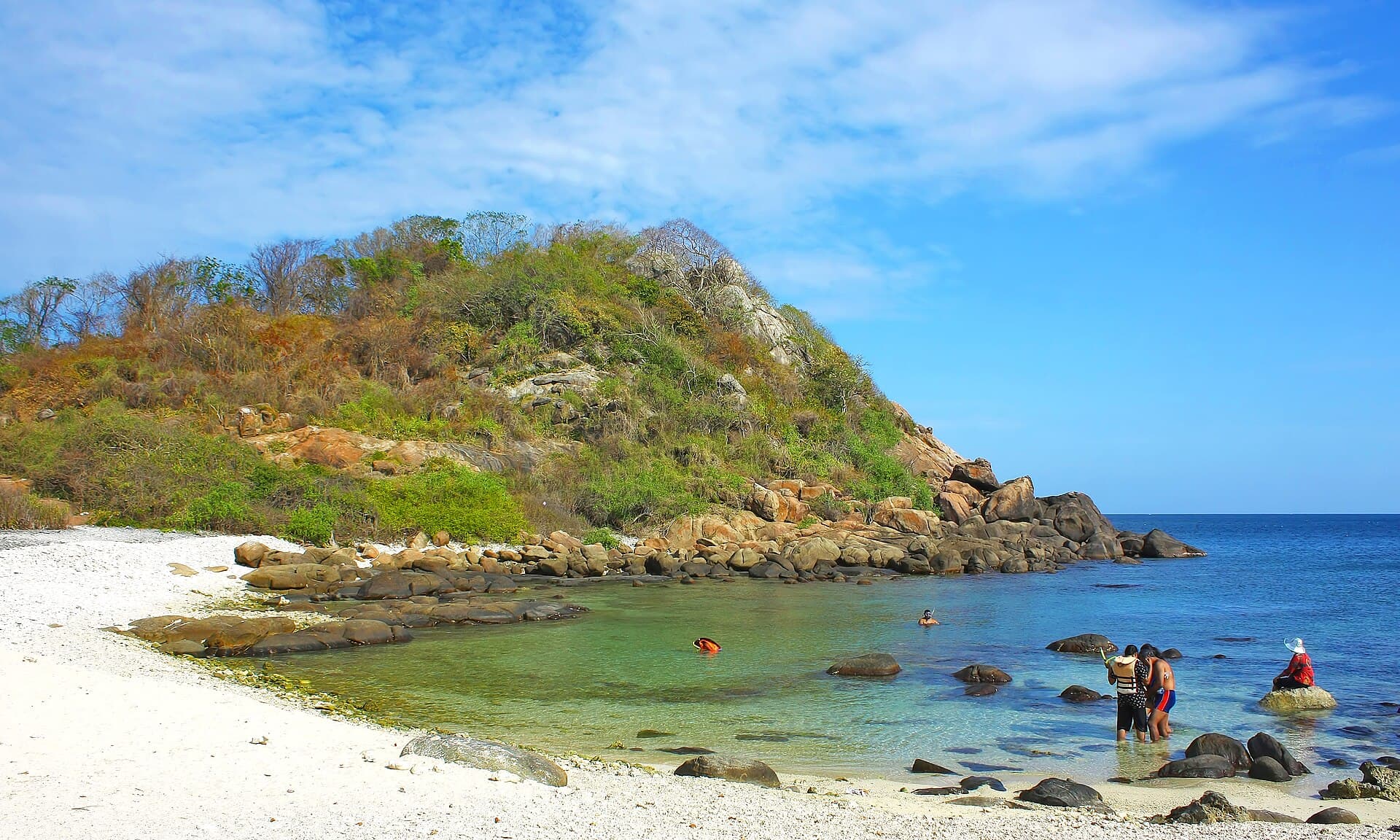
Located just a short, 15-minute boat ride off the coast of Nilaveli Beach, Pigeon Island National Park is one of only two marine national parks in Sri Lanka. The park is named after the rock pigeons that inhabit the rugged granite cliffs of the island. It consists of two distinct islands— Large Pigeon Island and Small Pigeon Island—surrounded by a spectacular, highly diverse coral reef system that forms one of the premier snorkeling and scuba diving destinations in the country. The marine sanctuary is renowned for its exceptional water clarity and rich biodiversity. The shallow coral gardens around the large island showcase dozens of species of hard and soft corals, providing a vibrant habitat for over 300 species of colorful reef fish, including clownfish, angelfish, parrotfish, and large schools of damselfish moving through the water. The absolute highlight of snorkeling at Pigeon Island is the frequent, close encounters with the reef's larger residents. The shallow waters are a reliable home to dozens of blacktip reef sharks, which can often be seen gliding gracefully over the coral beds, completely undisturbed by snorkelers. The park is also a vital feeding ground for endangered sea turtles, including hawksbill and green turtles, which swim slowly through the shallows to feed on sea grass. Visitors walk directly off the small coral beach into a thriving marine wonderland, making it an essential adventure for nature lovers.

Explore Experience
Polonnaruwa Vatadage
UNESCO HeritageMust See
Polonnaruwa

Polonnaruwa Vatadage

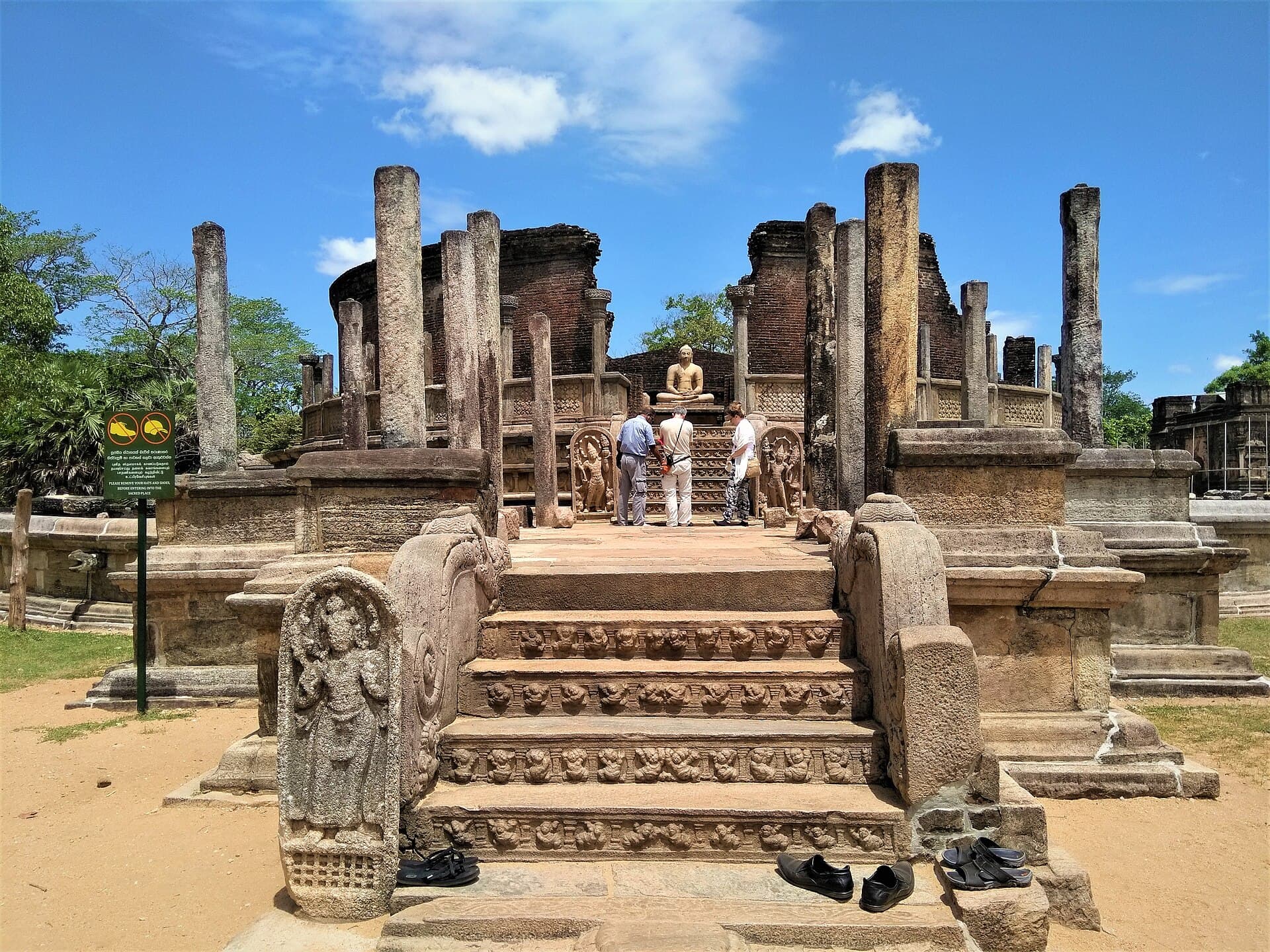
Situated within the sacred Dalada Maluva (Quadrangle) complex, the Polonnaruwa Vatadage is a circular relic house that stands as one of the most uniquely designed structures in Sri Lanka. Built to protect the sacred tooth relic before it was moved to Kandy, this architectural masterpiece features a circular design that showcases the incredible skill of medieval stone masons. The structure is built on a two-tiered circular stone platform, accessed by a stone staircase decorated with an intricately carved moonstone (Sandakada Pahana) and guardian stones (Muragala) at the base. The upper platform features a small central stupa surrounded by four beautifully seated stone Buddhas, each facing one of the four cardinal points. The outer wall of the Vatadage is adorned with delicate low-relief carvings of lions, dwarfs, and floral patterns, while a ring of elegant stone pillars once supported a wooden conical roof designed to shade the interior. Walking around the circular platform allows visitors to view the sculptures up close. The symmetry of the design, the preservation of the stone figures, and the peaceful jungle setting make the Vatadage the focal point of the Quadrangle complex.

Explore Experience
Rankot Vihara
UNESCO HeritageMust See
Polonnaruwa

Rankot Vihara

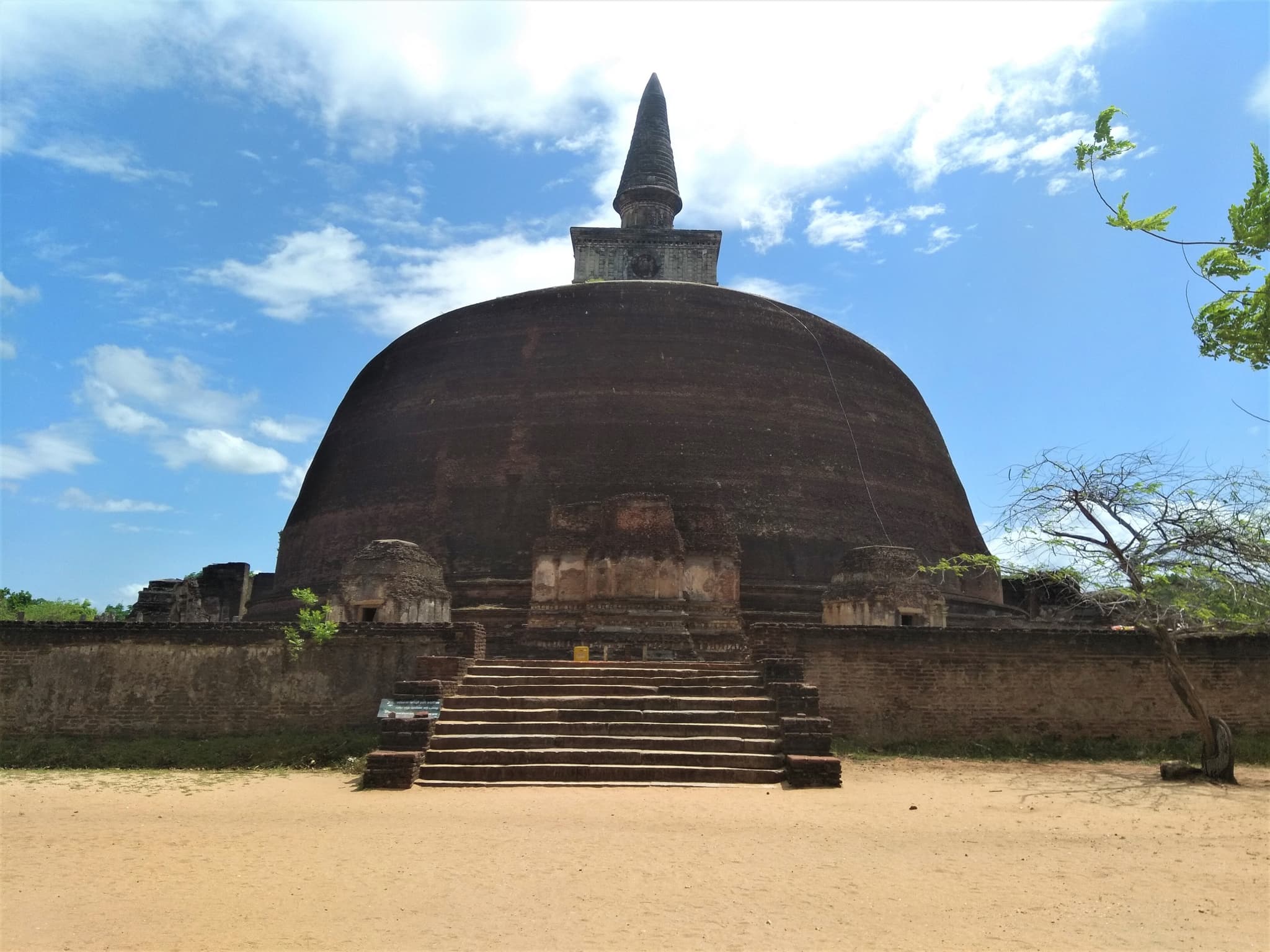
Rising like a massive mountain of red earth over the forest canopy, the Rankot Vihara is the largest complete stupa in Polonnaruwa and the fourth-largest on the island. Constructed in the 12th century by King Nissanka Malla, the name Rankot Vihara translates to "The Golden Pinnacle Stupa," a name derived from the gilded bronze spire that originally topped the monument. The stupa stands at a height of roughly 180 feet (55 meters) and features a massive brick dome built in the classic architectural style of the ancient Anuradhapura stupas, showcasing the king's desire to match the grand scale of the earlier kingdom. The monument is built on a wide, raised stone platform surrounded by a forest of tall trees. The base of the brick dome features a series of small, beautifully carved image houses (Vahalkada) where pilgrims can leave floral offerings. Unlike the whitewashed stupas found in other parts of the island, Rankot Vihara has been left in its natural brick state, giving it a raw appearance that contrasts beautifully with the blue sky. A broad sand pathway runs around the base, providing a popular walking loop for travelers exploring the archaeological park by bicycle.

Explore Experience
Ravana Falls
WaterfallsMust See
Ella

Ravana Falls

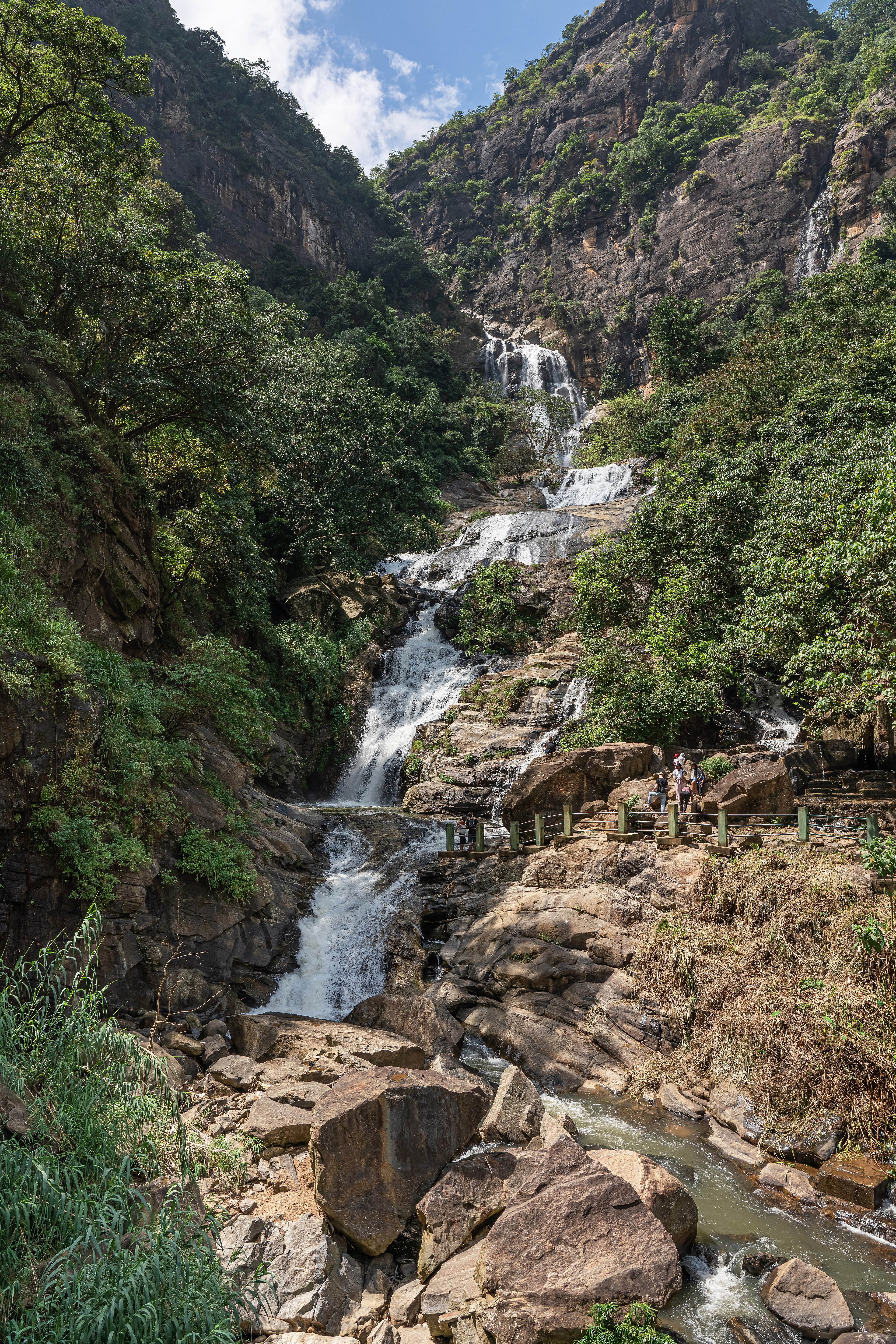
Steeped in ancient mythological lore and geological beauty, Ravana Falls is one of the widest and most impressive waterfalls in Sri Lanka's hill country. Located just a short drive down the winding Ella-Wellawaya mountain pass, this spectacular multi-tiered waterfall cascades down a rugged, dark granite cliff face, measuring roughly 25 meters (82 feet) in height. The waterfall is inextricably linked to the ancient Indian epic, the Ramayana. According to local legend, the demon king Ravana of Lanka kidnapped the beautiful princess Sita of India and hid her deep within the dark, labyrinthine network of caves located directly behind the cascading waters of this fall to protect her from rescue. The caves, known as the Ravana Ella Caves, sit high up on the cliff face and have revealed evidence of human habitation dating back over 25,000 years during archaeological excavations. During the monsoon season, Ravana Falls transforms into a powerful torrent of frothing, mud- brown water that roars down the mountain, creating a dramatic mist that coats the surrounding highway. In the dry season, the flow softens into elegant, crystal-clear streams that pool gently in a series of natural rock basins at the base. The falls are highly accessible, located directly beside the main road, making it a popular rest stop for travelers. Visitors can walk onto the large boulders at the base to feel the cool spray of the water, observe the troops of wild macaque monkeys that inhabit the surrounding trees, and enjoy fresh, roasted corn-on-the-cob from local street vendors.

Explore Experience
Royal Botanical Gardens Peradeniya
Nature & ScenicMust See
Kandy

Royal Botanical Gardens Peradeniya

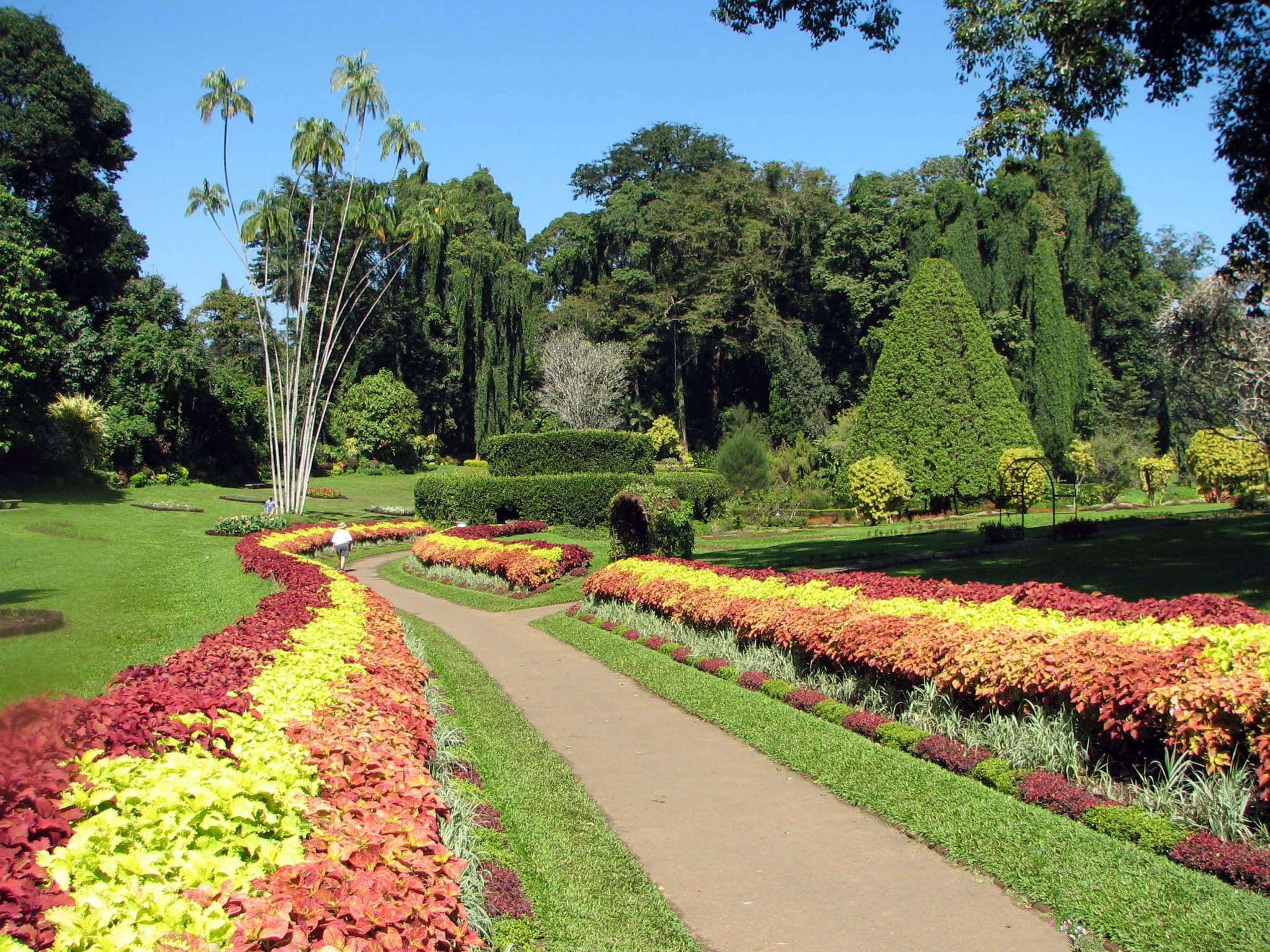
Located just a few kilometers west of the city center along the winding Mahaweli River, the Royal Botanical Gardens at Peradeniya is the largest and most historic garden paradise in Sri Lanka. Originally established as a royal pleasure garden by King Wickramabahu III in the 14th century, the site was later formalised and expanded by the British in 1821 into a world-class botanical research facility. Today, it spans over 147 acres and showcases more than 4,000 distinct species of tropical flora, including rare medicinal herbs, spices, and towering trees. The gardens are internationally renowned for their spectacular Orchid House, a climate- controlled greenhouse displaying an extraordinary collection of delicate, vibrant orchids, including rare endemic varieties. Another iconic highlight is the magnificent Avenue of Royal Palms, where uniform, sky-high palm trees create a grand walkway reminiscent of classic European estate designs. Visitors can explore vast, open lawns to find the massive Javan Giant Fig Tree (Ficus benghalensis). This extraordinary plant features a central trunk with a network of roots that spreads out like a massive green umbrella, covering over 2,500 square meters of the lawn. The gardens also feature a fragrant spice garden filled with cinnamon, nutmeg, and cardamom bushes, an avenue of weeping double-coconuts native to the Seychelles, and a quiet suspension bridge stretching over the river. It serves as a peaceful escape for travelers, who can walk along its shaded paths while watching colonies of flying fox fruit bats hang quietly from the forest canopy.

Explore Experience
Royal Palace of King Parakramabahu
Culture & TemplesMust See
Polonnaruwa

Royal Palace of King Parakramabahu

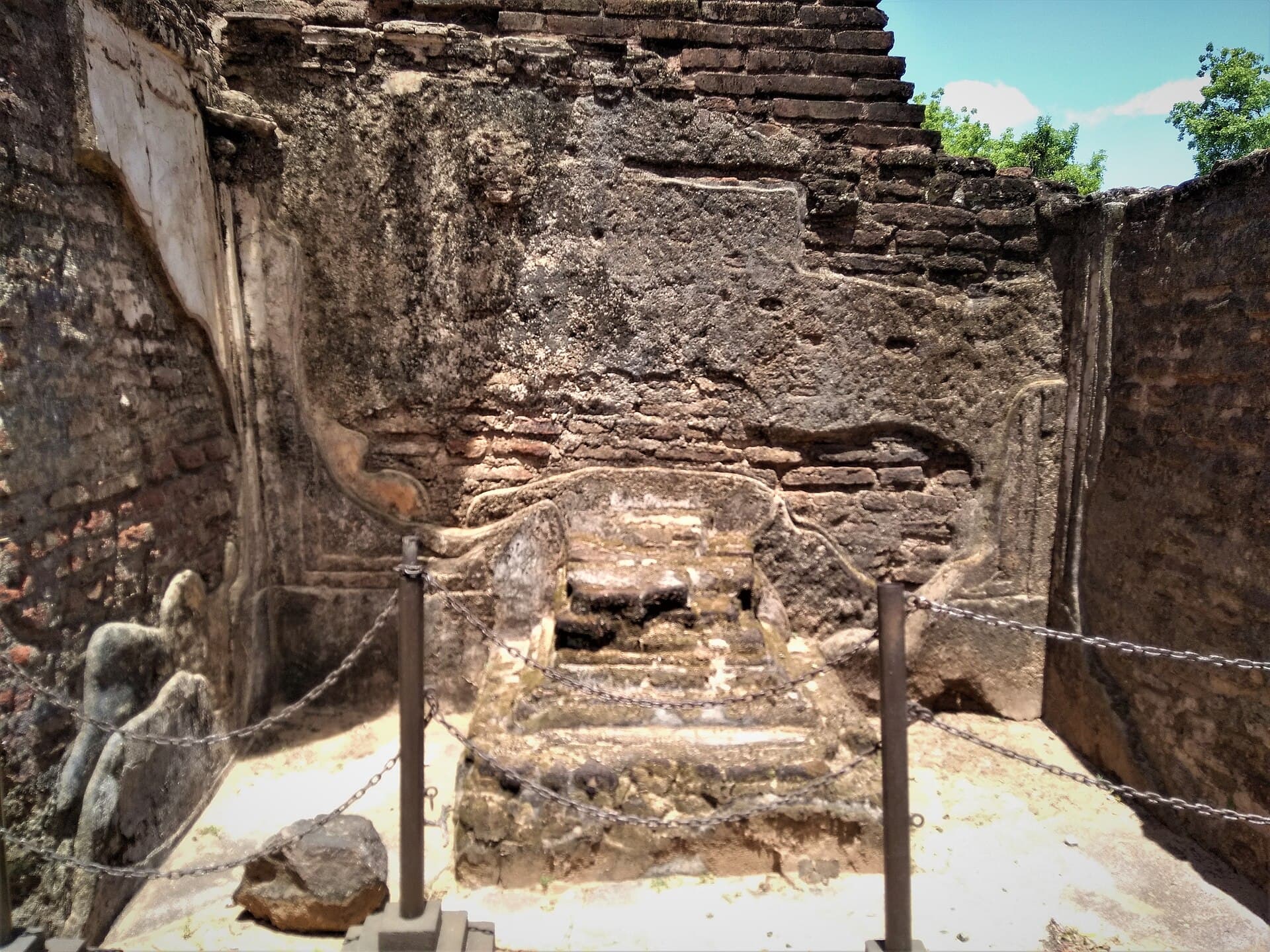
Located at the heart of the citadel, the Royal Palace of King Parakramabahu I (historically named Vevejanta Prasada, meaning the Palace of God Indra) is a grand monument to medieval royal luxury. Built in the 12th century, historical chronicles record that this massive structure was originally a 7-story palace featuring over a thousand rooms, supported by heavy wooden beams and topped with a gilded roof. Today, the crumbling ruins consist primarily of massive brick walls that stand nearly 30 feet tall and measure over 3 feet in thickness. The sheer scale and thickness of these walls reveal the advanced engineering required to support a multi-story building during the medieval era. Visitors can walk through the central hall to see the rows of deep sockets where heavy wooden floor beams once rested, and climb a small set of stone stairs that led to the upper floors. The palace complex also includes the beautifully preserved Council Chamber, featuring a stone staircase guarded by beautifully carved lions, and the Prince’s Bathing Pool (Kumara Pokuna), a sunken granite pool featuring stone gargoyles that channeled fresh water from the nearby river, offering an intimate look into royal life.

Explore Experience
Ruwanwelisaya Stupa
UNESCO HeritageMust See
Anuradhapura

Ruwanwelisaya Stupa

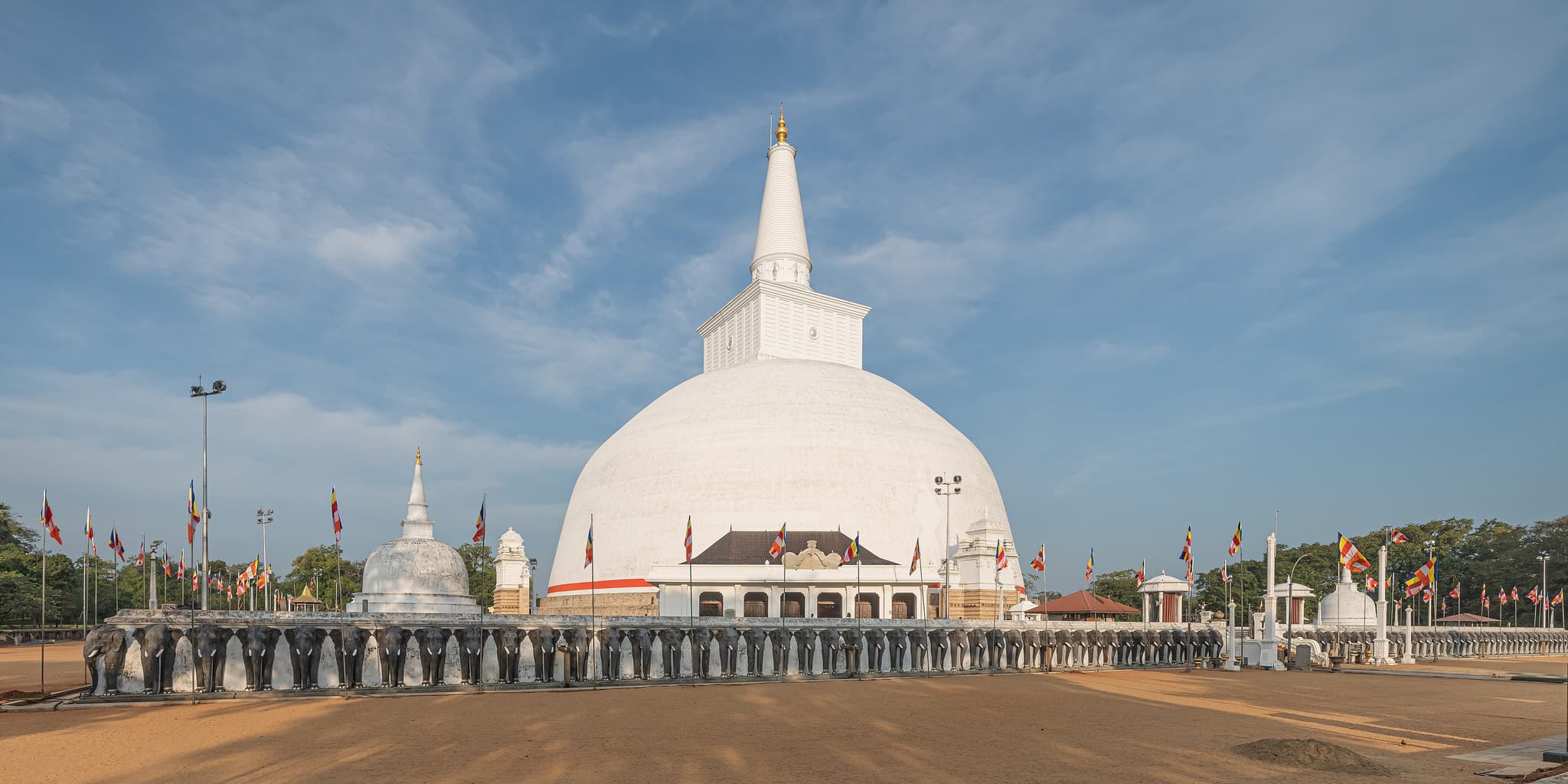
Rising like a mountain of white brick over the forest canopy, the Ruwanwelisaya Stupa is an architectural masterpiece of the ancient world. Commissioned in 140 BC by the legendary warrior king Dutugemunu after his victory to unify the island, this colossal dome stands as one of the world's most revered Buddhist monuments. Historically, the stupa was designed to serve as a massive reliquary, enshrining a large collection of the Buddha's corporeal relics inside a beautifully decorated central chamber. The stupa stands at a height of roughly 338 feet (103 meters), with a massive circumference that makes it a dominant feature of the Anuradhapura skyline. The entire monument is built on a grand, raised stone platform guarded by the famous "Elephant Wall"—a decorative perimeter feature showcasing a uniform row of hundreds of life-sized stone elephants standing shoulder- to-shoulder, appearing to carry the massive weight of the stupa on their backs. Visiting Ruwanwelisaya at dusk is an unforgettable experience. As the intense heat of the day breaks, the white plaster surface of the dome reflects the changing colors of the sky, shifting from gold to deep blue. A broad stone courtyard surrounds the base, where pilgrims light thousands of small clay oil lamps that illuminate the stone floors. The sight of the glowing white dome silhouetted against the dark sky, combined with the sound of evening prayers and the smell of burning incense, creates a powerful sense of ancient grandeur.

Explore Experience
Secret Beach
Beaches & Coastal
Mirissa

Secret Beach

For those looking to escape the lively crowds of Mirissa's main strip, Secret Beach offers a quiet alternative hidden on the western side of the headland. While no longer a complete secret, this beach remains beautifully secluded due to its isolated location, accessible only by a steep, bumpy ride down a narrow dirt track via a three-wheeled tuk-tuk or a rewarding walk over the hill. Emerging from the forest path reveals a collection of three small, distinct coves, each offering a slightly different beach environment. The primary cove features a shallow, crystal-clear blue lagoon completely enclosed by a natural barrier of large rocks, creating a calm swimming area that functions like a natural pool, safe from the rough swells of the open ocean. The second cove is a sandy stretch lined with wild trees that provide natural shade, while the third is a rocky area where waves crash against the boulders, creating dramatic spray. A single, rustic wooden beach bar sits under the palm trees, serving fresh fruit juices, cold drinks, and local snacks. The relaxed atmosphere and natural setting make it a perfect spot to spend a quiet afternoon sunbathing, swimming, and reading a book away from the main resort areas.

Explore Experience
Sigiriya Rock Fortress
UNESCO HeritageMust See
Sigiriya & The Cultural Triangle

Sigiriya Rock Fortress

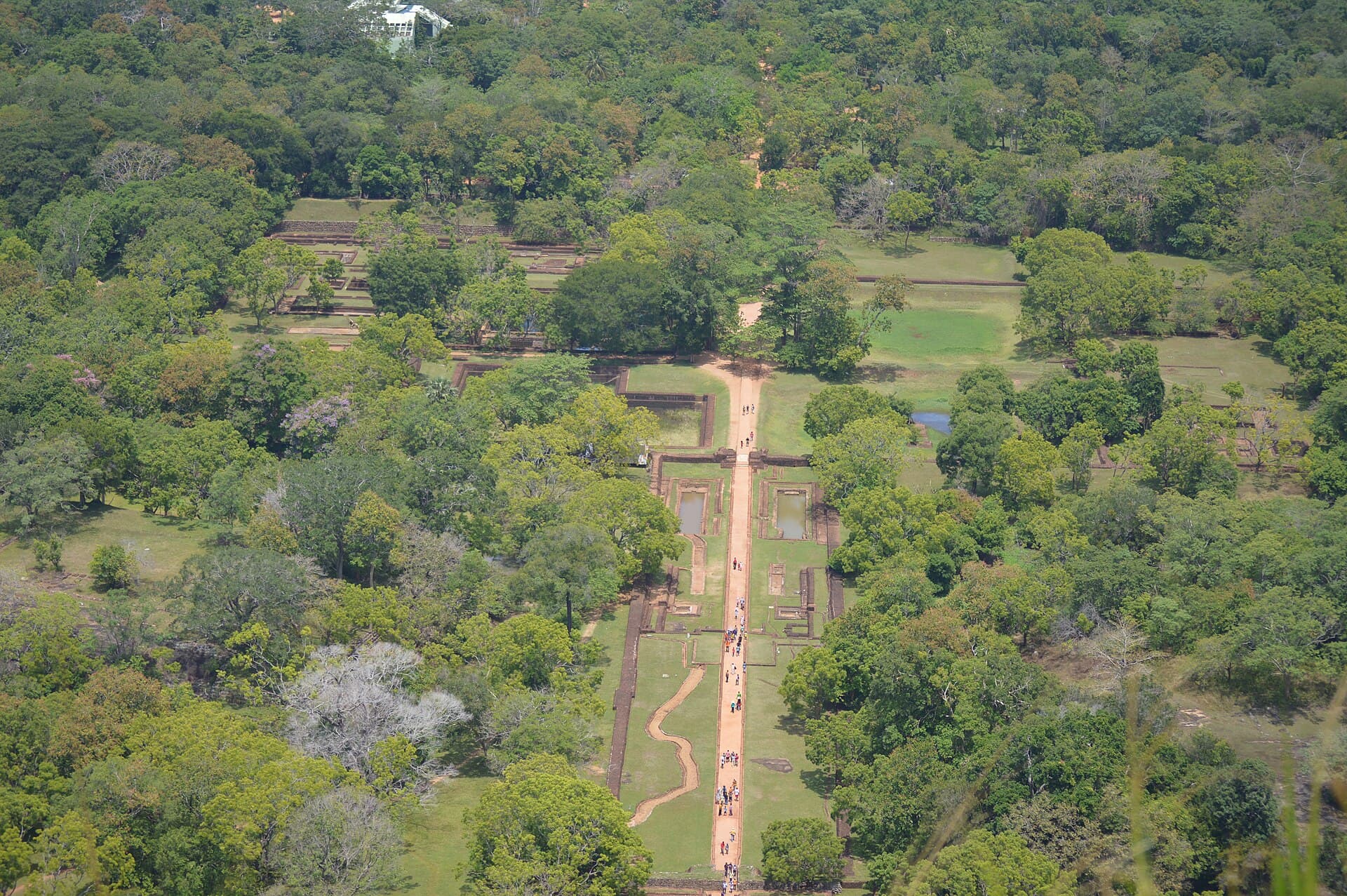
Rising out of the jungle canopy like a colossal natural altar, the Sigiriya Rock Fortress is one of the world's most spectacular examples of ancient urban design. This 200-meter-high granite monolith was transformed into an impenetrable royal citadel by King Kashyapa during his brief, turbulent reign from 477 to 495 AD. Fearing retribution after seizing the throne from his father and exiling his brother, Kashyapa abandoned the traditional capital of Anuradhapura to construct a lavish, highly secure palace in the sky. The journey to the summit begins through the perfectly symmetrical Royal Gardens, which showcase the oldest surviving landscaped water gardens in Asia. Here, an intricate network of underground terracotta pipes, stone channels, and pressure chambers continues to feed elegant fountains that bubble up naturally during the rainy season. As you ascend the sheer rock face via secure steel staircases, you enter a sheltered rock pocket housing the world-famous Sigiriya Frescoes. Painted using earth pigments on wet plaster, these vibrant, centuries-old portraits depict ethereal, jewelry-laden maidens believed to represent either celestial nymphs (apsaras) or the king’s concubines. Higher up, the path skirts past the Mirror Wall, a highly polished brick masonry wall coated in a smooth glaze made from egg whites, wild lime, and honey. Over the centuries, visitors left thousands of poetic inscriptions on this wall, recording their awe of the frescoes. The final ascent begins at the northern terrace, where two monumental stone lion paws flank the entrance. Originally, a colossal brick lion stood guard here, with the staircase entering through its open mouth—giving the site its name, Sinha-Giriya (Lion Rock). At the very summit lie the multi-tiered ruins of the royal palace, complete with rock-cut swimming pools, throne rooms, and foundations that offer breathtaking, 360-degree views across the endless jungle plains below.

Explore Experience
Sithulpawwa Rock Temple
Culture & TemplesMust See
Yala & The Deep South Wilds

Sithulpawwa Rock Temple

Hidden deep within the dense, wildlife-rich interior of Yala National Park sits Sithulpawwa, an ancient Buddhist monastery complex that dates back to the 2nd century BC. Built during the reign of King Kavantissa of the Ruhuna Kingdom, the name Sithulpawwa is derived from the ancient word Chittala Pabbata, which translates to "The Hill of a Quiet Mind." Historically, this remote jungle sanctuary housed over 12,000 Buddhist monks who lived in deep meditative isolation, completely surrounded by the wild animals of the forest. The focal point of the complex is a dazzling white stupa perched precariously at the very peak of a sheer, 400-foot-high granite rock monolith that rises dramatically out of the jungle canopy. Reaching the stupa requires climbing a steep staircase carved directly into the smooth granite face of the rock. The summit provides a breathtaking, 360-degree view across the endless green canopy of Yala, with distant rock formations rising from the plains like islands in a green sea. The base of the rock features a network of natural caves adorned with ancient Brahmi rock inscriptions and remnants of centuries-old frescoes. Sithulpawwa remains a highly active place of pilgrimage. Monks still reside in the quiet rock shelters, and wild animals—including spotted deer and surprisingly calm wild elephants—regularly walk through the temple grounds, maintaining the ancient harmony between human spirituality and nature.

Explore Experience
St Clairs Falls and Devon Falls
WaterfallsMust See
Nuwara Eliya

St Clairs Falls and Devon Falls

Plunging dramatically through the terraced tea valleys along the Hatton-Nuwara Eliya highway, St. Clair's Falls and Devon Falls are two of the most spectacular and photographed waterfalls in Sri Lanka. Located just a short drive west of the city center, these twin waterfalls provide a dramatic look at how the island's rugged mountain terrain interacts with its sprawling agricultural landscapes. St. Clair's Falls, affectionately known as the "Little Niagara of Sri Lanka," is one of the widest waterfalls on the island. It consists of two distinct segments: the "Greater Fall," which plunges 80 meters down a series of rock ledges, and the "Lesser Fall," which drops an additional 50 meters immediately below. The waterfall flows through a lush valley covered in the green tea bushes of the St. Clair Tea Estate, creating a stunning contrast between the white water and the green hills. Just a few kilometers down the road sits Devon Falls, named after a pioneer English tea planter named Devon whose estate bordered the drop. This elegant waterfall drops 97 meters (318 feet) down a sheer cliff face, narrowing gracefully as it plunges into a deep rocky chasm below. The highway features a purpose-built viewing platform and a cozy tea castle restaurant where travelers can stop, drink a warm cup of Ceylon tea, and enjoy a panoramic view of both waterfalls cascading through the tea-covered mountains.
Explore Experience
Swami Rock
Nature & Scenic
Trincomalee

Swami Rock

Forming the dramatic granite cliff face directly adjacent to the Koneswaram Temple complex, Swami Rock is a spectacular geological headland that drops vertically for roughly 400 feet straight down into the deep blue depths of Trincomalee harbor. This imposing rock formation has long served as a vital natural landmark for incoming ships and holds a deep place in both local history and romantic folklore. The cliff edge is universally referred to as "Lover's Leap," a name derived from a tragic colonial- era legend. According to local records, a young Dutch noblewoman named Francina van Rhede watched her unfaithful lover sail away out of the harbor from this high vantage point. In her deep despair, she threw herself off the sheer precipice into the crashing waves below. A stone pillar erected near the edge of the cliff commemorates her tragic story, adding a layer of historical romance to the site. Standing near the secure viewing railings at the edge of Swami Rock offers a thrilling, high- altitude view across the coastline. The vantage point provides a bird's-eye look down into the crystal-clear waters below, where observers can regularly spot large schools of fish, sea turtles, and even pods of dolphins playing in the deep harbor swells. The strong ocean winds, the sound of waves crashing against the granite walls far below, and the sweeping panorama across the Bay of Bengal make it an unforgettable viewpoint.
Explore Experience
Temple of the Sacred Tooth Relic
UNESCO HeritageMust See
Kandy

Temple of the Sacred Tooth Relic

The crowning jewel of the city, the Sri Dalada Maligawa is a grand royal palace complex that houses the most sacred object in the Buddhist world: a tooth relic belonging to Gautama Buddha. Brought to Sri Lanka in the 4th century AD hidden in the hair of a royal princess, the relic has long represented a powerful symbol of divine authority. Historically, whoever held the tooth relic held the legitimate right to rule the island, prompting successive kings to build beautiful, highly secure temples to protect it. The temple features classic Kandyan architecture, characterized by sloping tiled roofs, intricate granite carvings, and moonstones placed at entryways. It is surrounded by a peaceful moat and a classic cloud-drift stone wall. Visitors enter through a beautifully carved tunnel into the main two-story shrine room, where the air is heavy with the scent of jasmine flowers and the sound of traditional drumming (hewisi). The sacred tooth relic itself is kept in the inner chamber on the upper floor, safely guarded inside seven nested gold caskets shaped like stupas and encrusted with precious rubies, emeralds, and diamonds. While the relic is rarely exposed directly to the public, the gold casket can be viewed through a heavy, gold-plated doorway during the daily pooja (prayer) services held at dawn, noon, and evening. Pilgrims clad in simple white clothing travel from across the globe to offer lotus blossoms and meditate before the shrine, creating a deeply spiritual atmosphere. The complex also includes the historic Royal Palace ruins, the Audience Hall with its beautifully carved wooden pillars, and a museum that shares the fascinating journey of the relic across South Asia.

Explore Experience
Twin Ponds Kuttam Pokuna
Culture & TemplesMust See
Anuradhapura

Twin Ponds Kuttam Pokuna

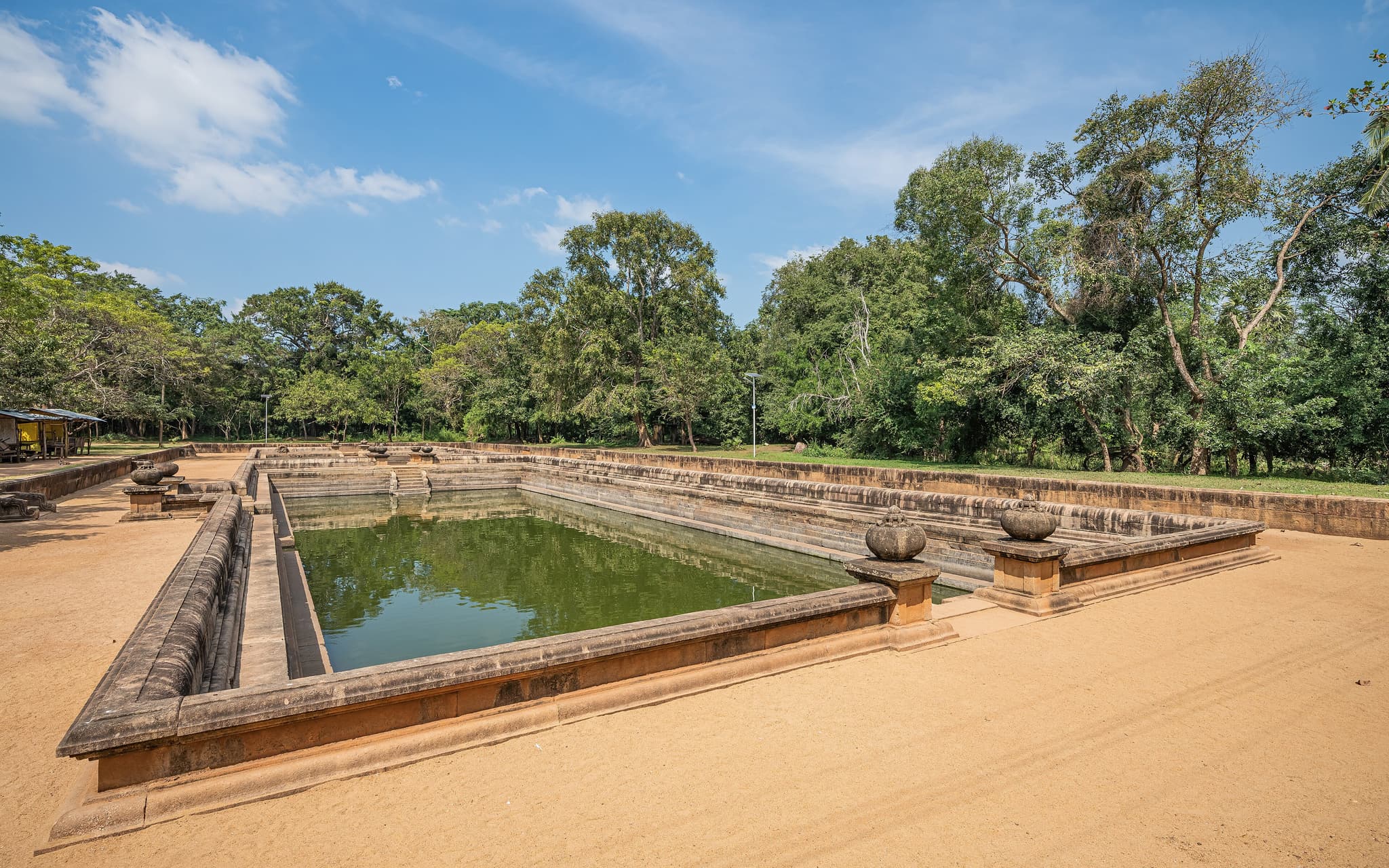
The Twin Ponds, known locally as Kuttam Pokuna, are an extraordinary testament to the advanced hydrological engineering and refined artistic sensibilities of the ancient Anuradhapura Kingdom. Constructed in the 6th century AD during the reign of King Aggabodhi I, this pair of large granite bathing pools was designed as a ritual washing facility for the thousands of monks residing at the nearby Abhayagiri Monastic University. Despite being called "twin" ponds, the two pools are actually of different sizes: the larger northern pond measures roughly 132 feet in length, while the southern pond measures 91 feet. Both pools are lined with perfectly cut, tight-fitting granite slabs that create an elegant, multi- tiered staircase leading down to the water. The engineering behind the Twin Ponds is remarkably sophisticated. Water from a nearby reservoir was channeled through a series of underground terracotta pipes, passing through a multi-stage filtration system of desisting chambers where mud and sand were removed before the clean water was allowed to cascade gracefully into the pools through a carved stone lion's mouth. At the deep end of the pools, a separate drainage system allowed the water to be emptied and sent to nearby agricultural fields, ensuring no water was wasted. The entrance to the ponds is guarded by a beautifully preserved stone carving of a multi-headed cobra (Naga), which served as an ancient symbol of water protection and prosperity, showcasing how early builders seamlessly blended function with exceptional art.

Explore Experience
Udawatta Kele Sanctuary
Nature & Scenic
Kandy

Udawatta Kele Sanctuary

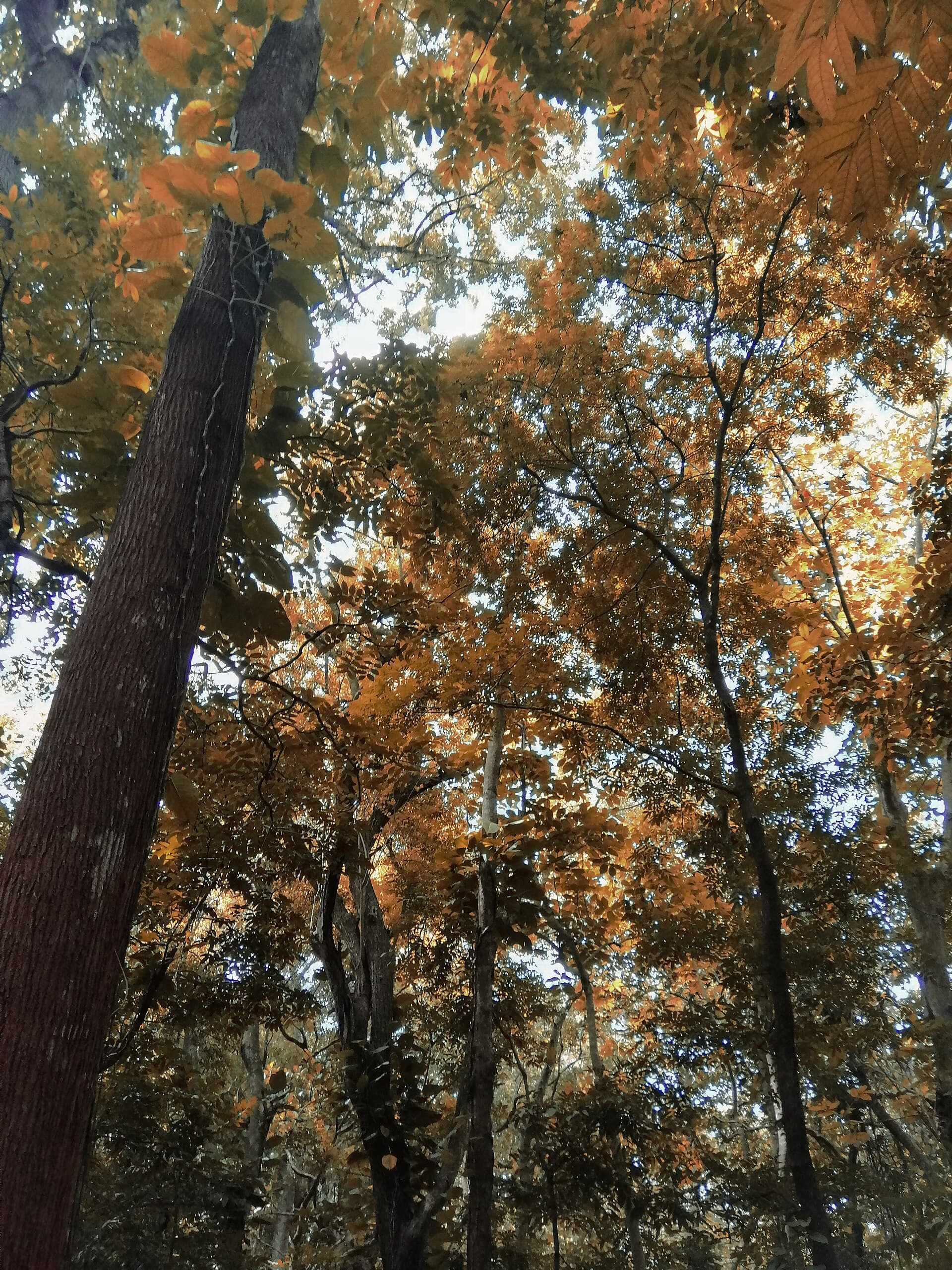
Located just up the hillside behind the Temple of the Tooth, the Udawatta Kele Sanctuary is a historic forest reserve that offers a quiet escape from the city. Spanning roughly 257 acres, this dense jungle canopy served as the private pleasure garden and royal forest reserve for the Kandyan monarchs for centuries. During the days of the kingdom, the forest was strictly protected, and entry was forbidden to the public, allowing the jungle to serve as a natural defense barrier for the royal palace below. Today, Udawatta Kele is a protected sanctuary renowned for its rich plant life and diverse bird species. The forest is characterized by a thick canopy of giant lianas, endemic hardwood trees, and wild climbing vines. A network of dirt paths cuts through the forest, leading hikers past historical sites hidden deep within the jungle. Key highlights within the sanctuary include the Pus Wela, a massive, centuries-old giant woody climber that winds across the forest floor, and the historic Kodimale (Flag Hill), the highest point in the forest where the royal flag was flown during times of war. The sanctuary also houses several ancient rock-shelters and meditation caves, such as the Senkanda Cave, where hermit monks have lived in deep isolation for centuries. The forest is a paradise for birdwatchers, providing a home to rare endemic species like the Layard's parakeet, Sri Lanka hanging parrot, and the colorful Oriental dwarf kingfisher, alongside families of toque macaque monkeys moving through the trees.
Explore Experience
Unawatuna Beach
Beaches & CoastalMust See
Galle & The Historic Southern Coast

Unawatuna Beach

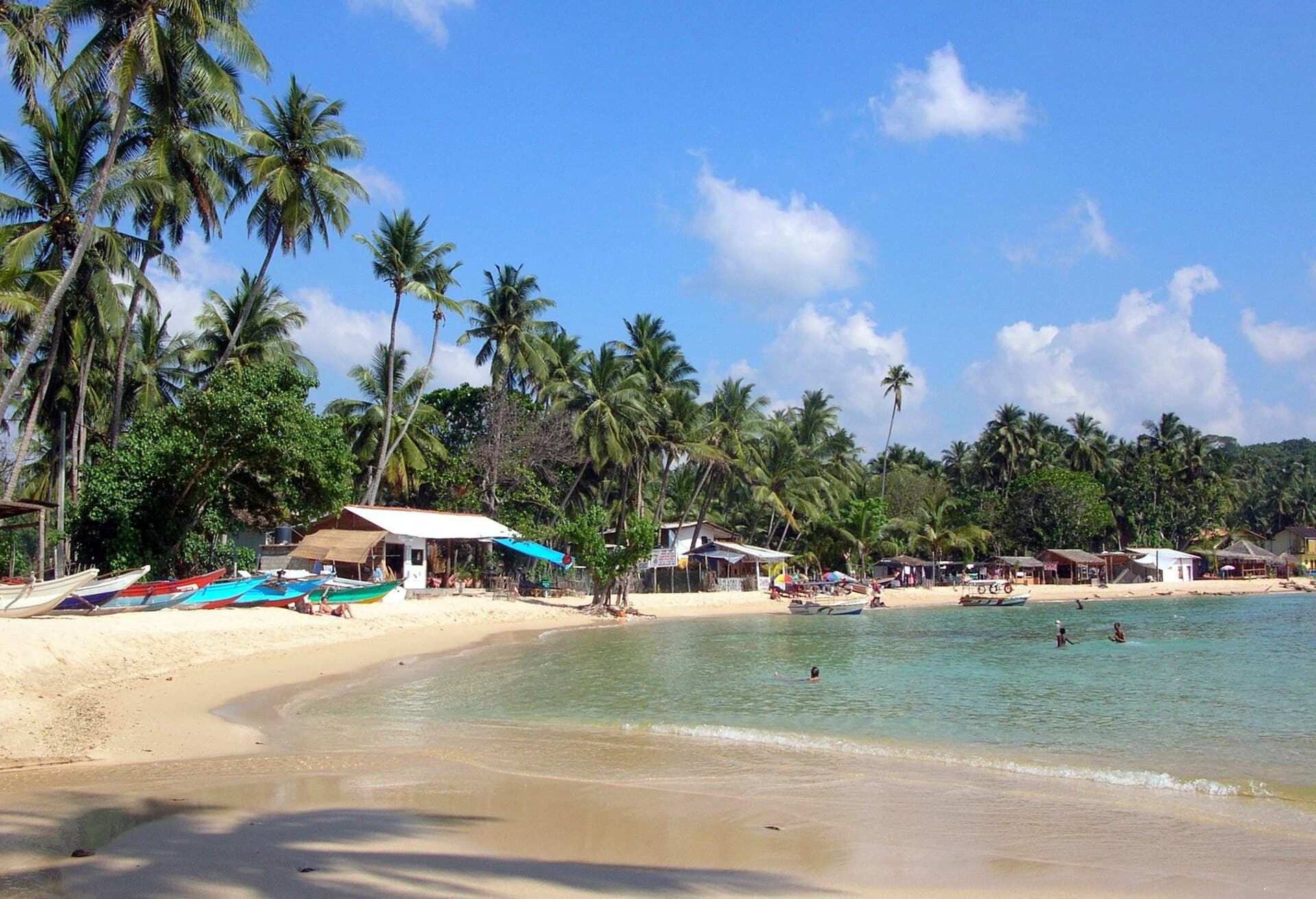
Located just five kilometers southeast of Galle, Unawatuna Beach is a stunning, crescent-shaped bay that has long been celebrated as one of the premier beach destinations in Sri Lanka. Protected by a large offshore coral reef, this golden-sand bay is famous for its calm, gentle swimming waters, making it a safe option for families and casual swimmers compared to the rougher surf breaks found along other parts of the southern coast. The beach is lined with a lively strip of open-air restaurants, beach bars, and boutique dive shops, creating an energetic tropical atmosphere. Visitors can spend their days relaxing on sun loungers, swimming in the warm water, or trying water sports like paddleboarding and jet skiing. At the far western end of the bay, a rocky hill rises out of the water, topped by a large white Buddha statue and the serene Welle Devalaya (beach temple). Walking up the short path to the temple provides a panoramic view across the entire crescent of Unawatuna Beach. The surrounding village of Unawatuna is packed with trendy cafes, yoga studios, and markets selling local handicrafts, making it an excellent base for travelers looking to balance historical exploration in Galle with a classic beach holiday.

Explore Experience
Victoria Park
Nature & Scenic
Nuwara Eliya

Victoria Park

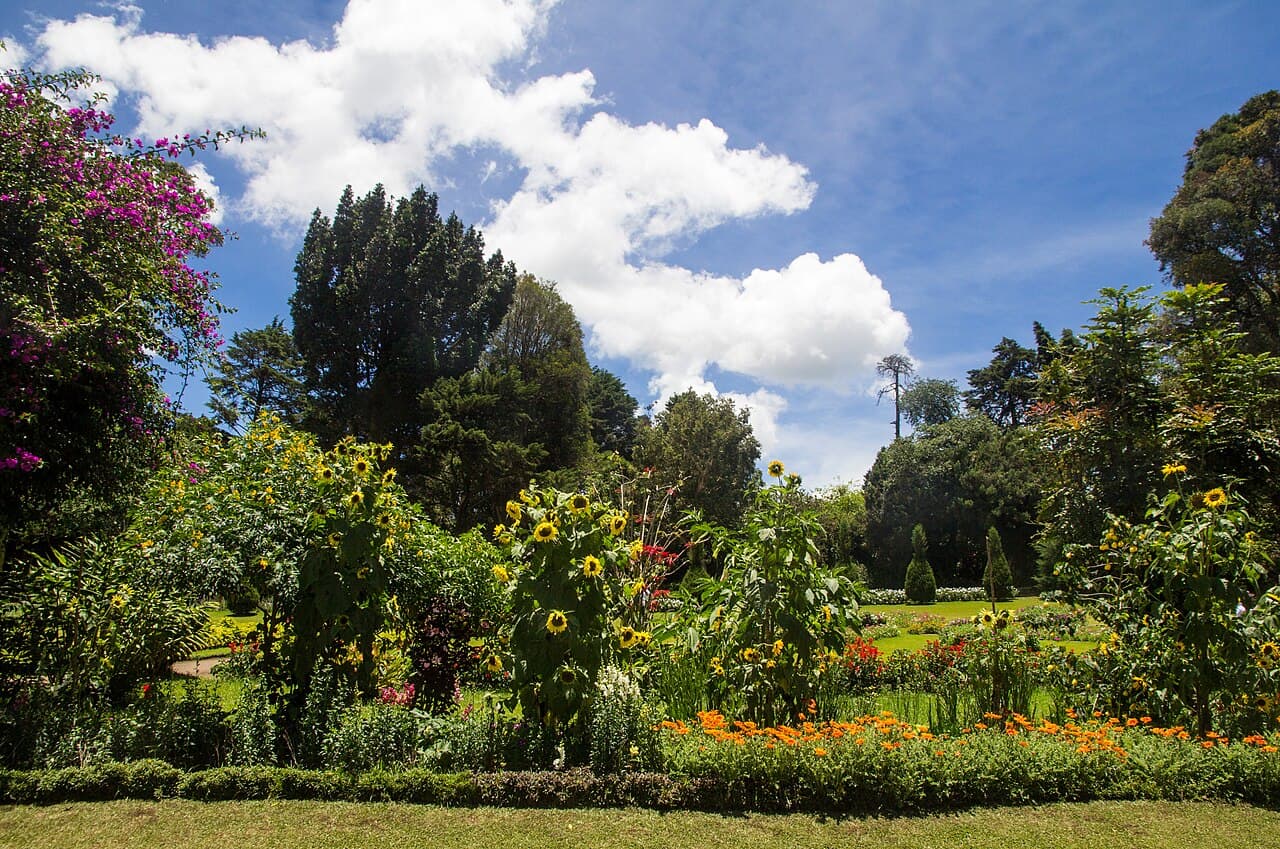
Located right in the center of town next to the historic post office, Victoria Park is a 27-acre urban park known for its pristine landscaping and rich birdlife. Originally established as the research grounds for the Hakgala Botanical Gardens, the park was renamed in 1897 to commemorate the Diamond Jubilee of Queen Victoria. It has been meticulously preserved as a classic English public park, complete with uniform flower beds, paved walking paths, and expansive lawns. The park is a paradise for plant lovers and flower enthusiasts. Due to Nuwara Eliya's cool climate, Victoria Park flourishes with colorful foreign flora, including bright roses, orchids, dahlias, and petunias that burst into full bloom during the April holiday season. Victoria Park is also globally recognized by birdwatchers as an exceptional urban bird sanctuary. The park’s tall oak trees, dense shrubs, and quiet streams provide a vital habitat for rare alpine bird species, including the endemic Sri Lanka white-eye, the colorful Indian pitta, the pied thrush, and the rare Kashmir flycatcher, which migrates to the park during the winter months. Walking through the quiet paths of the park offers a peaceful escape, where the only sounds are the chirping of rare birds and the gentle rustling of the wind through the old trees.

Explore Experience
Weligama Bay Surfing
Beaches & CoastalMust See
Mirissa

Weligama Bay Surfing

Located in the massive, sheltered bay immediately neighboring Mirissa, Weligama (meaning "Sandy Village") is celebrated as the premier capital for surf culture in Sri Lanka. This expansive, 4-kilometer crescent-shaped bay features a soft, sandy bottom and is uniquely oriented to catch consistent swell while remaining protected from strong coastal winds, creating exceptionally consistent waves year-round. Weligama is recognized as one of the best beaches in South Asia to learn how to surf. The sandy floor means there are no sharp coral reefs or rocks to worry about, and the long, rolling beach breaks produce predictable waves that are ideal for beginners practicing their balance. The entire length of the beach is lined with colorful wood-framed surf schools, independent instructors, and board rental shacks. Every morning, the bay fills with surfers paddling out into the surf. For advanced surfers, the outer edges of the bay and nearby points offer faster, hollow reef breaks that provide a fun challenge. The surrounding beach town features a vibrant surf-village atmosphere, packed with surf camps, health cafes serving smoothie bowls, and casual hangout spots where travelers from across the world gather to share stories after a long day in the water.

Explore Experience
Yala National Park Block 1
Wildlife & SafariMust See
Yala & The Deep South Wilds

Yala National Park Block 1

Spanning a vast area of protected wilderness along the southeastern coast, Yala National Park is Sri Lanka's most famous and dynamic wildlife sanctuary. While the park is divided into five distinct blocks, Block 1 (known historically as the Palatupana side) is the primary focus for wildlife enthusiasts due to its unique geography and high concentration of large mammals. Yala Block 1 is globally celebrated for holding one of the highest concentrated densities of wild leopards (Panthera pardus kotiya) on earth. Because these apex predators have been protected here for generations and have no natural competitors, they are remarkably bold, frequently allowing travelers in open 4x4 safaris to observe them from a close distance. A typical safari begins at the break of dawn, as jeeps navigate a maze of narrow dirt tracks that cut through the thorny scrub jungle. The landscape changes constantly, shifting from thick forests to wide, open plains dotted with ancient mustard trees, before opening onto coastal lagoons where wild water buffaloes wallow in the mud. Wildlife encounters in Yala are frequent and varied. Safaris regularly cross paths with large herds of spotted deer (chital), wild boars, and lone bull elephants walking along the tracks. Lucky visitors might spot the shaggy, reclusive Sri Lankan sloth bear feeding on the fallen fruit of the Palu tree. The park is also a paradise for birdwatchers, providing a home to over 200 species of birds, including the grand lesser adjutant stork, the colorful Malabar pied hornbill, and flocks of painted storks wading through the shallows. The safari reaches a beautiful conclusion along the park’s empty coastline, where travelers can step out of their jeeps onto a wild beach to stretch their legs while watching the ocean waves crash against the sand.

Explore Experience